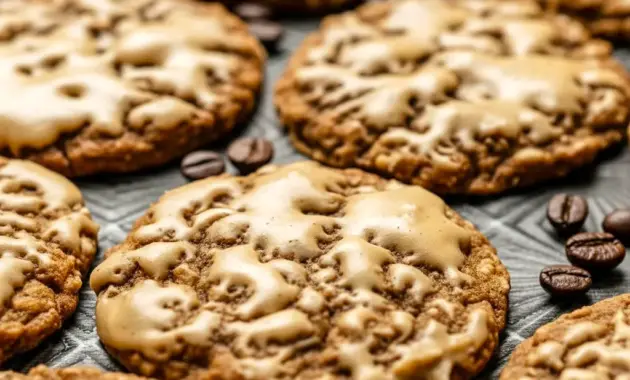
Coffee shop flavor and homemade cookie comfort meet in Oatmeal Latte Cookies, and the result is ridiculously good. These cookies bring together brown butter, dark brown sugar, vanilla, oats, and espresso in a way that feels cozy, rich, and a little bit indulgent without trying too hard. One bite and you understand exactly why these Oatmeal Latte Cookies keep showing up in the “make again” pile.
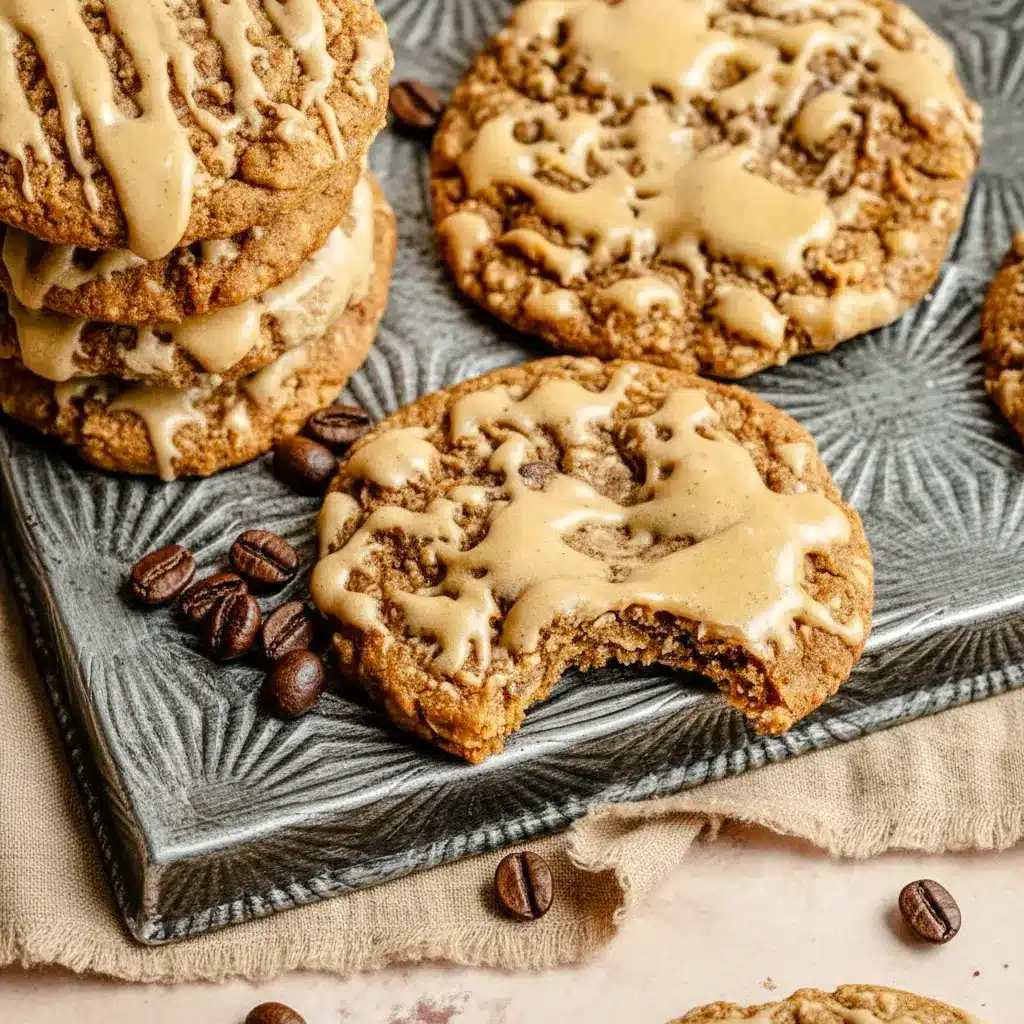
They taste like the brown sugar oat milk shaken espresso drink everyone obsessively ordered, except now the flavor comes in soft cookie form with a smooth espresso icing on top. That alone makes them worth baking. But they also bring something else to the table: texture. These Oatmeal Latte Cookies stay chewy in the center, lightly crisp at the edges, and full of warm, dessert-like depth.
That balance is what makes them such a standout. They feel familiar enough to appeal to oatmeal cookie fans, but interesting enough to feel new. They sit right in that sweet spot between Best Oatmeal Cookie Recipes and a true Coffee Flavored Dessert. And yes, they absolutely belong in your list of Dessert Recipes Winter because they are the kind of cookie that makes a cold day feel a lot more manageable.
Table of Contents
Why you will love these Oatmeal Latte Cookies
The first thing you will notice about these Oatmeal Latte Cookies is the aroma. Brown butter, vanilla, cinnamon, oats, and espresso create a smell that practically drags people into the kitchen by the sleeve. It is warm, rich, and immediately familiar in that “something good is happening here” kind of way.
The second thing you will notice is the texture. These are not dry, crumbly oatmeal cookies. They are chewy, soft, and dense in the best way. The oats give them body, the brown sugar adds moisture, and the brown butter gives the whole cookie a deeper, almost toffee-like flavor. That combination makes these Oatmeal Latte Cookies feel more elevated than your average bake-sale cookie.
Then there is the espresso icing. That is not a decorative afterthought. It is part of the personality. The icing adds sweetness, a little coffee kick, and just enough shine to make the cookies feel bakery-worthy. Honestly, it transforms the entire cookie from “very good” to “why is this so addictive?”
These Oatmeal Latte Cookies also check a lot of practical boxes. They are approachable enough for Beginner Dessert Recipes, but still interesting enough to impress people. They work for holidays, coffee breaks, afternoon snacks, cookie boxes, and any moment when you want a dessert that feels cozy instead of loud.
And because the base uses oats and a rich brown sugar profile, they fit beautifully among Cookie Recipes Oatmeal fans and anyone hunting for more Flavors Of Cookies that go beyond plain vanilla or chocolate chip. This is a cookie with a point of view.
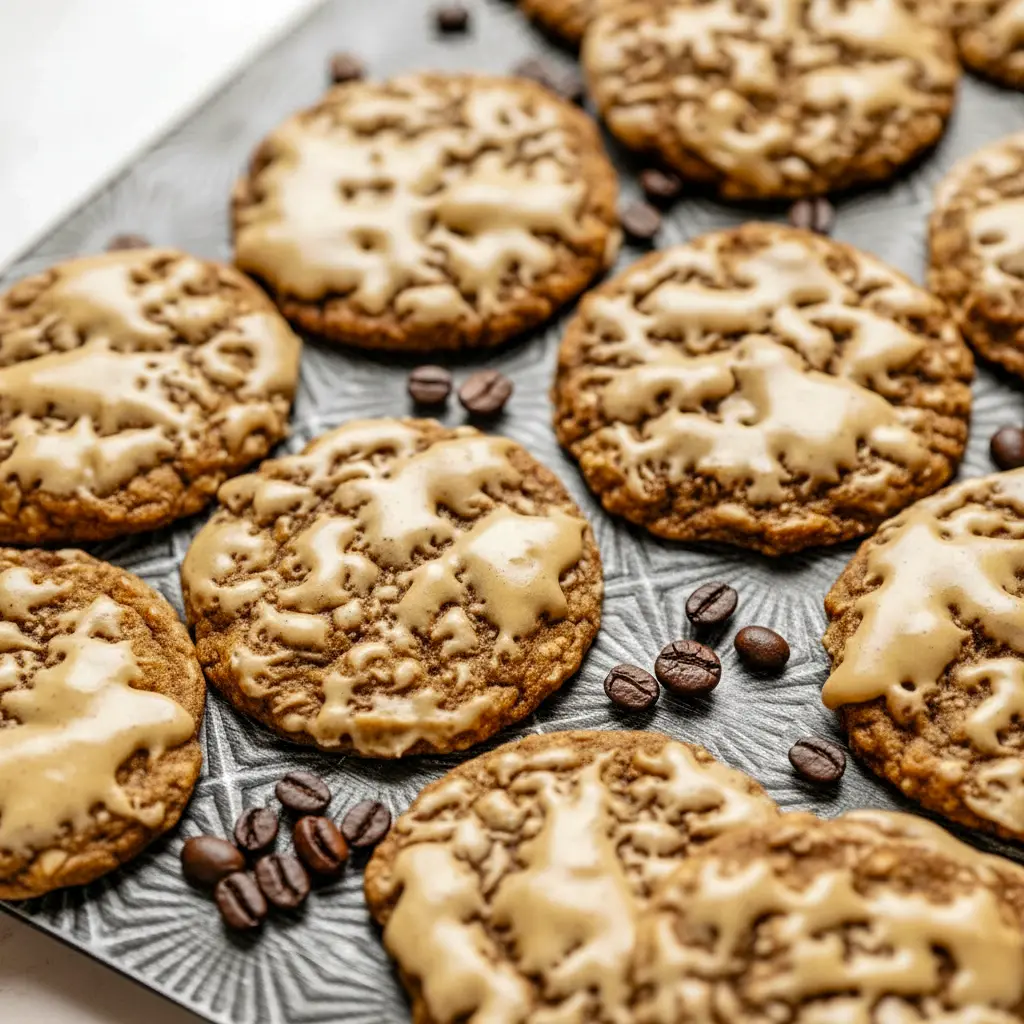
The Key Ingredients (and Why You Need Them)
Below I break down the main ingredients so you can see what each one does and why it matters. That makes the recipe easier to understand, easier to trust, and easier to tweak carefully if needed.
Butter
You are browning the butter here, and that step matters. Brown butter brings a nutty, caramel-like depth that gives these Oatmeal Latte Cookies their signature flavor. It makes the dough taste richer before you even add the espresso.
Dark brown sugar
This is the main sweetener, and it does more than sweeten. Dark brown sugar adds moisture, chewiness, and molasses depth. It gives the cookies that cozy, almost caramel flavor that makes them feel so special.
Eggs
The eggs help bind the dough and give the cookies structure. They also support that chewy texture everyone wants in a good oatmeal cookie.
Vanilla bean paste or vanilla extract
Vanilla rounds out the coffee flavor and softens the edges of the brown sugar and espresso. In these Oatmeal Latte Cookies, vanilla does not sit in the background. It helps create the latte effect.
All-purpose flour
The flour gives the cookies structure and keeps them from spreading too much. It balances the oats and supports that soft, chewy middle.
Old-fashioned rolled oats
These are essential. They give the cookies their classic oatmeal texture and help prevent them from turning into flat puddles. That is a very important detail for Cookie Recipes With Milk style bakes and oatmeal-forward desserts.
Espresso powder
This is the ingredient that turns the cookies from oatmeal cookies into Oatmeal Latte Cookies. It creates the coffee note in both the dough and the icing. For the strongest flavor, use espresso powder made for baking.
Cinnamon
Cinnamon adds warmth and makes the cookie feel even more cozy. It also plays nicely with the brown sugar and coffee flavors.
Baking soda and salt
These baking basics help the cookies rise properly and keep the sweetness balanced. Salt is especially important here because it keeps the espresso and brown sugar from tasting flat.
Powdered sugar
This gives the espresso icing its smooth, sweet finish. It creates the glossy topping that sets beautifully over the cooled cookies.
Milk
A little milk loosens the icing to the right consistency. It also keeps the topping smooth enough to dip, drizzle, or lightly coat the cookies.
Why the coffee flavor works so well
The magic of these Oatmeal Latte Cookies comes from how the coffee flavor blends with the brown sugar and butter. This is not an overpowering coffee dessert. It is a layered, cozy, café-style flavor that feels rich without becoming bitter.
That is why the recipe uses espresso powder instead of instant coffee powder. Espresso powder brings a stronger, cleaner coffee note that holds up in baking. It tastes intentional, not accidental. And when you fold that into a brown sugar oatmeal dough, the result lands right in the sweet spot between cookie and latte.
You can also adjust the intensity. Want more coffee flavor? Add the full amount. Want the cookie to lean more vanilla-brown-sugar with just a hint of coffee? Use less espresso powder. That flexibility makes these Oatmeal Latte Cookies easy to tailor without changing the structure of the recipe.
How to Make It
Making these Oatmeal Latte Cookies takes a few careful steps, but none of them are difficult. The process just rewards attention.
- Start by browning the butter in a saucepan over medium heat. Stir and watch closely as it melts, foams, crackles, and slowly turns golden brown. Once it gives off that nutty aroma and reaches a warm amber color, remove it from the heat and pour it into a mixing bowl so it can cool. Do not skip the cooling time. Hot butter can ruin the dough texture and scramble the eggs.
- Take out a tablespoon of the browned butter and set it aside for the icing. That little bit adds a lot of flavor later and ties the whole cookie together.
- Once the butter cools, mix it with the dark brown sugar until well combined. Then add the eggs and vanilla. The mixture should start to look smooth and glossy, almost like caramel. That is exactly the direction you want.
- In a separate bowl, whisk together the flour, oats, baking soda, espresso powder, cinnamon, and salt. Then add the dry mixture to the wet ingredients and mix until just combined. Stop as soon as the dough comes together. Overmixing can make the cookies tough, and these cookies should stay chewy and soft.
- Cover the dough and chill it in the fridge for at least 30 minutes. This step is essential. It helps the butter firm back up, improves the texture, and keeps the cookies from spreading too much. That chill time also gives the flavors a chance to settle in, which makes these Oatmeal Latte Cookies taste even better.
- Preheat the oven and line your baking sheet with parchment paper. Scoop the dough into rounded portions, spacing them a couple of inches apart. Bake until the edges turn just slightly golden. Do not wait for the centers to look fully done in the oven; they will finish setting as they cool.
- Let the cookies cool on the tray for a few minutes before moving them to a wire rack. This helps them hold together and keeps the texture right.
- While the cookies cool, make the espresso icing. Stir the reserved brown butter with powdered sugar, espresso powder, vanilla, and a small amount of milk until smooth. You want the icing thick enough to set but still soft enough to dip. Add milk gradually so you do not thin it too much.
- Once the cookies are fully cool, dip the tops lightly into the icing. Then let them sit on a rack or parchment paper until the icing firms up. After that, the Oatmeal Latte Cookies are ready to serve.
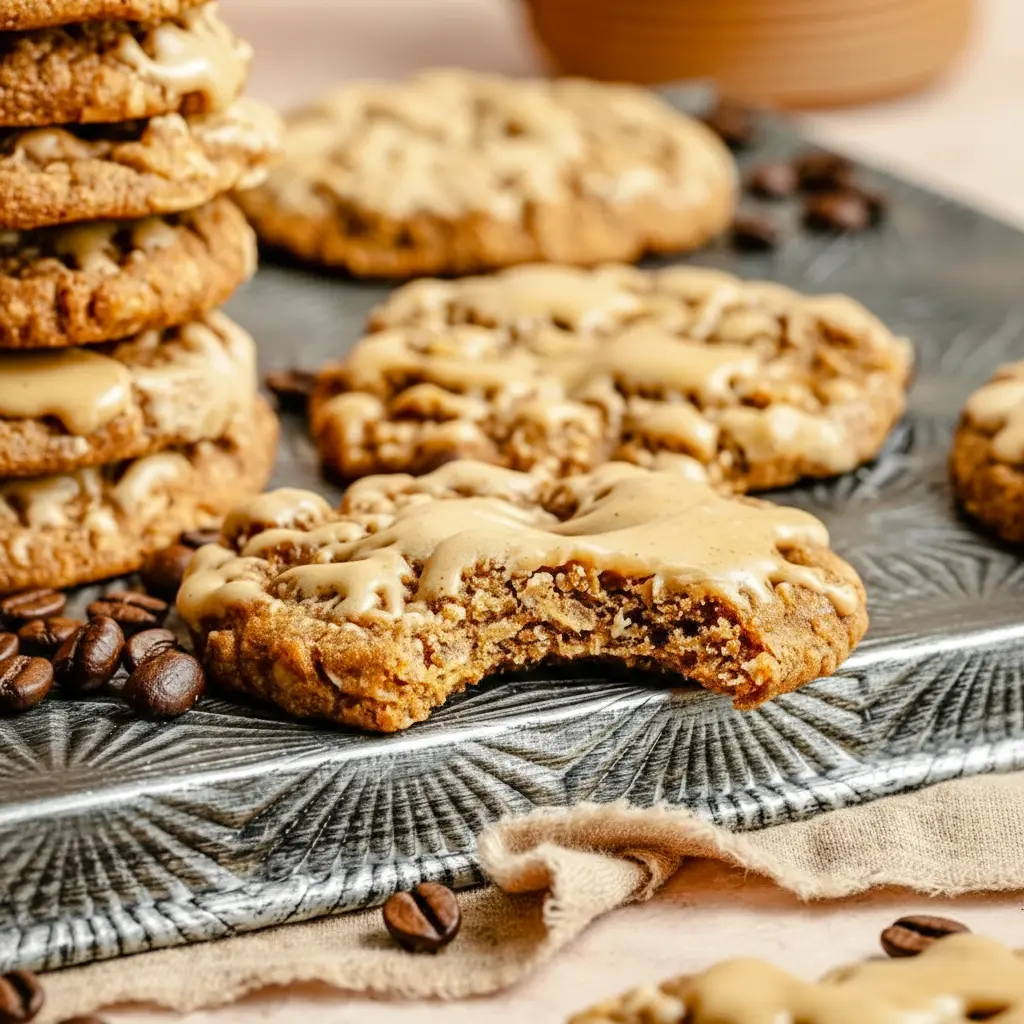
Pro tips for perfect results
- Use room temperature eggs. Cold eggs can make the butter mixture seize a little. Room temp ingredients blend more smoothly and help the dough come together evenly.
- Cool the butter before mixing. Brown butter needs to cool before it hits the eggs and sugar. Warm, not hot, is the sweet spot.
- Use fresh baking soda. Old baking soda can weaken the rise and flatten the cookies. Fresh baking soda gives the best texture.
- Measure oats carefully. Oats vary by brand and grind size. If your dough feels too loose, add a bit more oats. If you want a thicker cookie, use the fuller amount.
- Do not skip the chill. That rest time changes the whole bake. It helps these Oatmeal Latte Cookies stay thick and chewy instead of spreading everywhere like they have no plans.
- Mix by hand if needed. No stand mixer? No problem. A hand mixer or even a sturdy spatula works just fine. Just do not overmix.
Variations to try
You can make these Oatmeal Latte Cookies a little different depending on your mood.
For a stronger coffee flavor, increase the espresso powder slightly. That makes them even more latte-forward and turns them into a bolder Coffee Flavored Dessert.
For a gentler coffee flavor, reduce the espresso powder in the dough and leave the icing light. That keeps the cookie more vanilla-brown-sugar heavy.
For extra texture, add chopped toasted walnuts or pecans. That gives the cookies a little crunch and makes them feel even more bakery-style.
For a sweeter finish, drizzle a little extra icing over the tops instead of dipping. That works nicely when you want a more polished look for cookie boxes or holiday trays.
If you love dessert recipes that feel perfect for colder weather, these Oatmeal Latte Cookies fit right into your Dessert Recipes Winter board with no problem.
Best ways to serve them
These cookies shine on their own, but they also pair beautifully with coffee, tea, or a cold glass of milk. That makes them a natural fit for Cookie Recipes With Milk and afternoon snack spreads.
Serve them after dinner as a cozy dessert. Offer them at brunch with coffee. Pack them into cookie boxes for friends. Or eat one at 3 p.m. when your energy drops and your patience disappears. That works too.
They also make a lovely homemade gift. The espresso icing gives them a pretty finish, which makes them feel thoughtful without requiring a ton of decoration work. That is a nice win for Beginner Dessert Recipes because they look more advanced than they really are.
Storage and freezing tips
Store the baked cookies in an airtight container at room temperature for up to five days. Keep them in a cool, dry place so the icing stays set and the texture stays chewy.
You can also freeze the dough or the baked cookies. That makes these Oatmeal Latte Cookies a great make-ahead option for holiday baking or future cravings. If you freeze the dough, scoop it first so you can bake only what you need.
For baked cookies, let the icing set fully before freezing them. Then store them carefully so they do not stick together. When you are ready to enjoy them, let them thaw at room temperature.
Frequently asked questions
Can I make these gluten-free?
I have not tested a gluten-free version, so I cannot promise the result. A 1:1 gluten-free flour blend is the safest place to start if you want to experiment.
Can I make them dairy-free?
Yes, with a dairy-free butter substitute. Just note that you cannot brown dairy-free butter the same way, so you would melt it instead.
Can I make them vegan?
I have not tested a vegan version with flax eggs, but it may work with a good dairy-free butter option too. Texture may shift a bit.
Can I use quick oats?
No. Quick oats usually make the dough too soft and can leave the cookies flatter. Old-fashioned rolled oats work best for these Oatmeal Latte Cookies.
Can I reduce the coffee flavor?
Absolutely. Use less espresso powder in the dough or icing if you want a milder cookie. That makes the vanilla and brown sugar stand out more.
Final thoughts
These Oatmeal Latte Cookies bring together everything people love about cozy baking: brown butter, dark brown sugar, oats, vanilla, and espresso. They taste nostalgic and fresh at the same time, which is a hard trick to pull off. That is part of why they work so well.
They are rich but not heavy, sweet but not cloying, and familiar without being boring. They fit neatly into Best Oatmeal Cookie Recipes, but they also stand on their own as a true café-style treat. If you love Flavors Of Cookies that feel layered and a little special, these are going to hit the mark.
And if you are looking for something that feels like a homemade version of your favorite coffee order, these Oatmeal Latte Cookies deliver exactly that. Soft, chewy, espresso-kissed, and finished with icing that makes each bite feel complete. That is the kind of cookie people remember.
Follow me on Pinterest for daily new recipes.

Vanilla Brown Sugar Oatmeal Latte Cookies with Espresso Icing
- Prep Time: 1 hour
- Cook Time: 10 minutes
- Total Time: 1 hour 10 minutes
- Yield: 24 cookies 1x
- Category: Dessert
- Diet: Vegetarian
Description
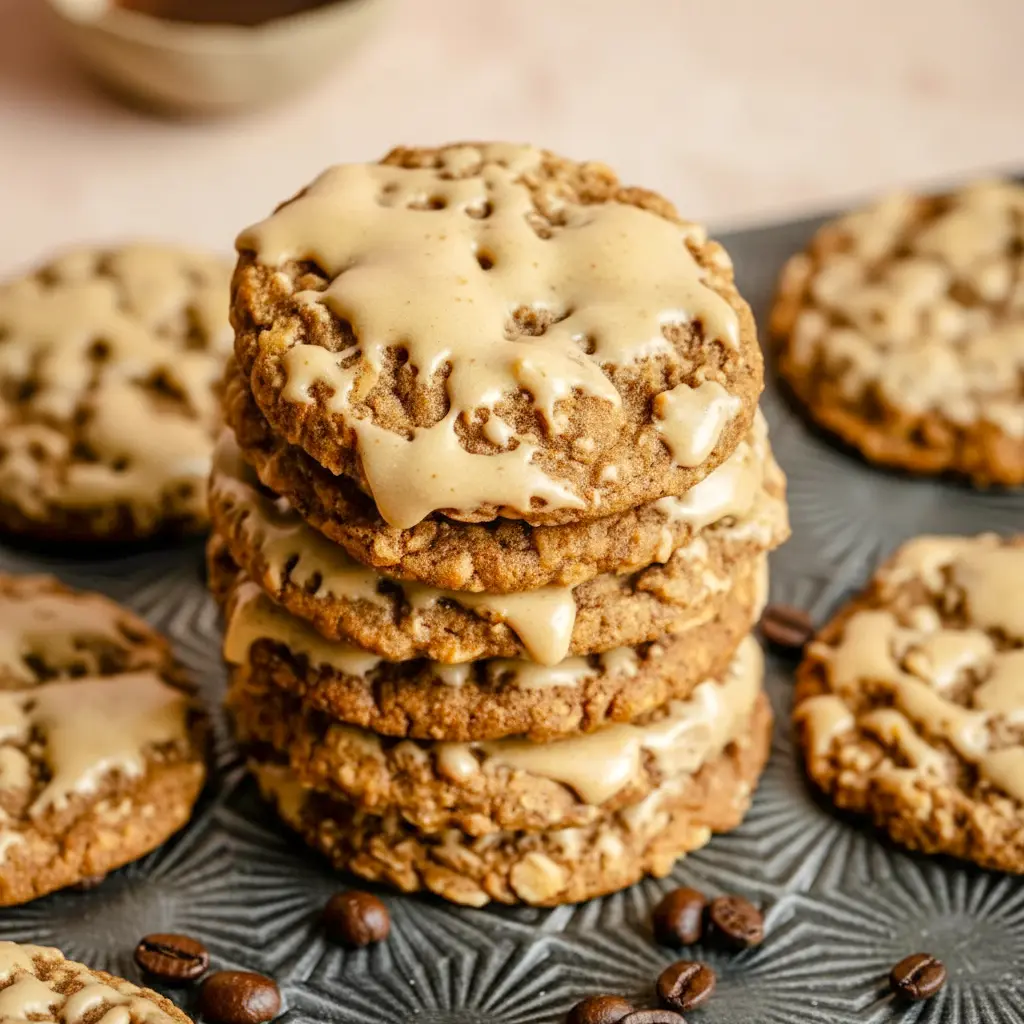
These Oatmeal Latte Cookies are soft, chewy, and packed with warm vanilla, rich brown sugar, brown butter, and a bold espresso icing. They taste like a cozy coffee drink turned into a bakery-style cookie.
Ingredients
Wet ingredients
- 1 cup salted butter, browned
- 1 1/2 cups dark brown sugar
- 2 large eggs, at room temperature
- 1 tablespoon vanilla bean paste or vanilla extract
Dry ingredients
- 2 cups all-purpose flour
- 1 3/4 cups old-fashioned rolled oats
- 1 teaspoon baking soda
- 1 to 2 tablespoons espresso powder, depending on how strong you want the coffee flavor
- 1/2 teaspoon cinnamon
- 1/4 teaspoon kosher salt
Espresso icing
- 1 tablespoon reserved brown butter
- 1 cup powdered sugar
- 1 teaspoon vanilla extract
- 1/2 teaspoon espresso powder
- 2 to 3 tablespoons milk
Instructions
-
Brown the butter carefully.
Place the butter in a medium saucepan and set it over medium heat. Let it melt completely, then begin whisking continuously. As it cooks, the butter will start to sputter and crackle, then foam on top. Keep stirring and watching closely. After several minutes, the color will shift from pale yellow to a deep golden amber, and the smell will turn nutty and rich. That usually takes about 5 to 8 minutes total.As soon as the butter reaches that amber-brown stage, remove the pan from the heat right away. Pour the browned butter into the bowl of your electric mixer so it can start cooling. Be sure to scrape in all the browned bits stuck to the pan, because those little flecks carry a lot of flavor. Let the butter rest for 5 to 10 minutes so it cools slightly before you continue.
- Reserve a little butter for the icing.
Scoop out 1 tablespoon of the browned butter and place it into a separate medium bowl. Set it aside for later because you will use it in the espresso icing once the cookies finish baking. If the reserved butter starts to firm up, that is fine. You can warm it slightly before making the icing. -
Combine the butter and sugar.
Add the dark brown sugar to the bowl with the remaining browned butter. Use the paddle attachment on your mixer and blend on medium speed until the mixture looks fully combined and smooth, about 1 minute. It should start to look glossy and thick.Next, add the eggs and vanilla bean paste. Beat again on medium speed until everything blends together and the texture looks silky and caramel-like, about another minute. The mixture should feel rich and smooth, not grainy.
- Mix the dry ingredients separately.
In a medium bowl, whisk together the flour, rolled oats, baking soda, espresso powder, cinnamon, and salt. Make sure the ingredients distribute evenly so the coffee flavor and leavening spread throughout the dough. - Bring the dough together.
Add the dry mixture to the wet mixture. Mix on medium-low speed just until the dough comes together. Stop as soon as you no longer see dry flour. Do not overmix. Overworking the dough can make the cookies dense instead of chewy. - Chill the dough.
Cover the bowl tightly with plastic wrap and place the dough in the refrigerator for 30 minutes. This step helps the butter firm up again and gives the cookies better shape in the oven. While the dough chills, preheat your oven to 350°F and line a large baking sheet with parchment paper. - Portion the cookies.
Once the dough has chilled, use a medium cookie scoop to portion out about 1 1/2 tablespoons of dough per cookie. You can also roll the dough by hand into smooth balls if you prefer. Place the dough balls on the prepared baking sheet, leaving at least 2 inches between each one so they have room to spread. - Bake until just set.
Bake the cookies for 10 to 12 minutes. You want the edges to look very lightly golden while the centers still look soft. In many ovens, 10 minutes gives the best texture. The cookies will continue to firm up as they cool, so do not wait until they look fully done in the oven. - Cool the cookies.
Let the cookies rest on the baking sheet for 5 minutes after removing them from the oven. This short rest helps them set up without breaking apart. Then transfer them to a wire rack and let them cool completely before icing. -
Make the espresso icing.
Make sure the reserved brown butter is still melted or gently warm it in the microwave for 10 to 20 seconds. Add the powdered sugar, espresso powder, vanilla extract, and 1 tablespoon of milk to the bowl with the butter. Stir with a fork or small whisk until smooth and creamy.Check the thickness of the icing. It should be thick enough to cling to the cookie and set nicely, but still soft enough to dip. If it feels too thick, add more milk a tiny bit at a time, about 1/2 teaspoon per addition, until the texture smooths out. Do not thin it too much. A thick icing gives the best finish.
- Ice the cookies.
Once the cookies are fully cool, lightly dip the top of each cookie into the icing. You only need a thin layer, so keep the dip gentle. Return the iced cookies to a wire rack or a sheet of parchment paper so the icing can firm up. - Serve and enjoy.
After the icing sets, the cookies are ready to eat. This recipe makes about 2 dozen cookies, depending on the size of your scoop.
Notes
- If your dough looks too loose before baking, make sure you used old-fashioned oats and not quick oats.
- If the dough still seems too wet, add up to 1/4 cup more oats.
- For a thicker cookie, use the full 2 cups of oats.
- Store the baked cookies in an airtight container at room temperature for up to 5 days.
- You can freeze either the dough or the baked cookies for later.