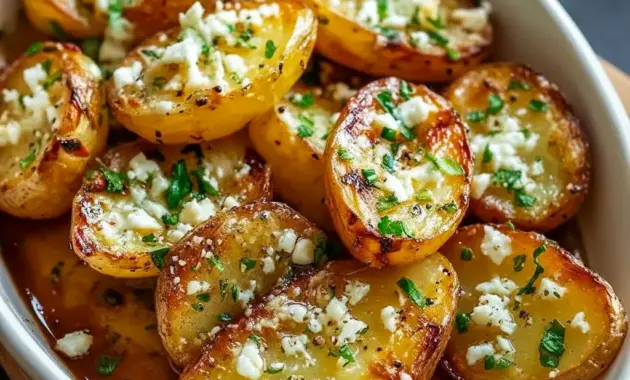
Greek Lemon Potatoes — Crispy, zesty, absolutely addictive
If you want a side that steals the spotlight, Greek Lemon Potatoes do it every time: tangy lemon, punchy garlic, oregano-scented oil, and edges that shatter into crisp perfection. These aren’t just potatoes — they’re a ticket to Mediterranean sunshine on your dinner plate.
Why you’ll fall hard for this recipe
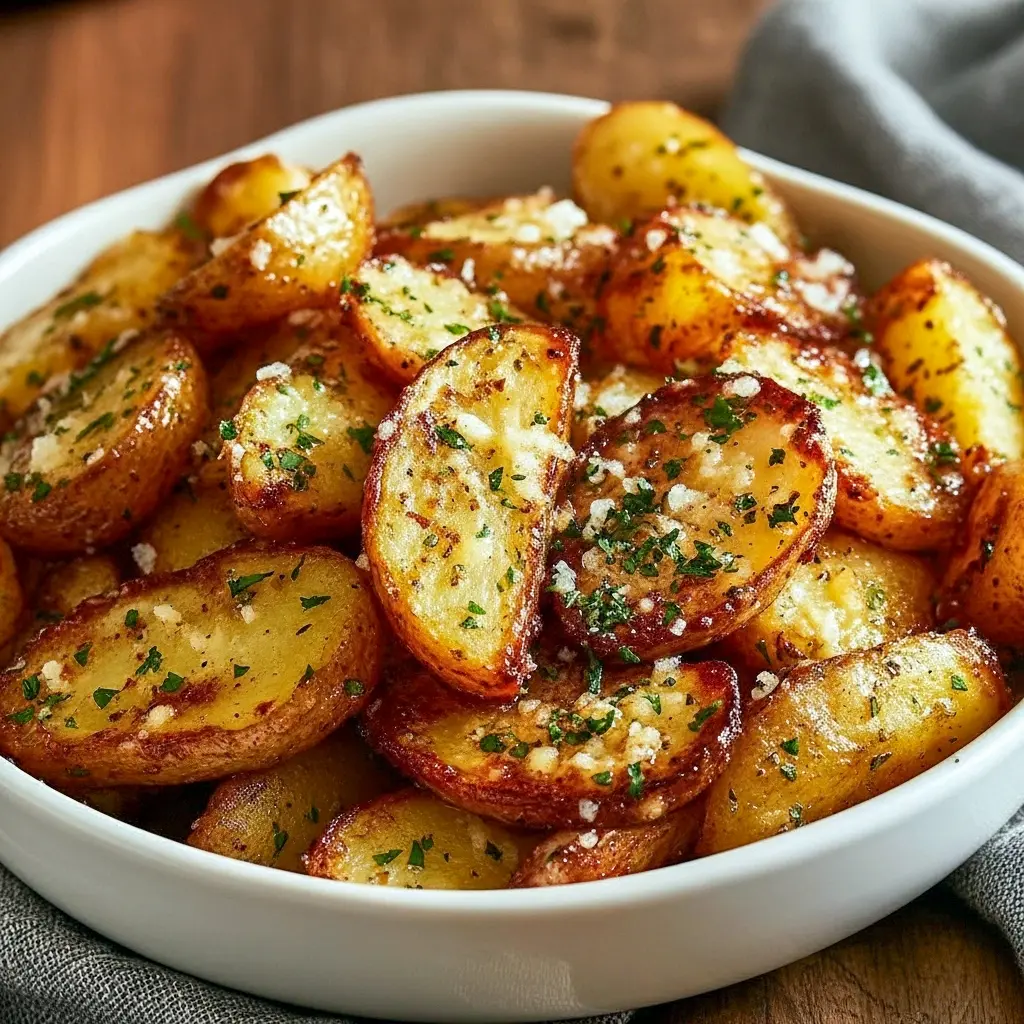
What makes these potatoes irresistible? Texture and contrast. Crispy, caramelized exteriors meet pillowy, tender centers. Bright lemon cuts through oil and garlic. Herbs add earth and familiarity. The result? A Quick Potato Dish that elevates everything from grilled fish to roast lamb.
And honestly — who doesn’t want a side that’s easy to prep, scales well, and makes everyone ask “who made the potatoes?” Serve them once and they’ll become a staple. Want proof? Try them with a dollop of tzatziki and a pita — instant crowd-pleaser.
The Key Ingredients (and Why You Need Them)
Below I explain the main players (no amounts here — the recipe card has those). Know what each one does and you can tweak with confidence.
- Potatoes — Your canvas. Choose starchy Russets for the crispiest finish or Yukon Golds for a creamier bite. Cut uniformly so everything cooks evenly.
- Fresh lemon juice — The personality of the dish. Bottled juice won’t sing the same way. Lemon brightens, tenderizes slightly, and balances the oil.
- Extra-virgin olive oil — It promotes browning and carries herb flavor. Use decent oil — it shows.
- Garlic — Fresh, minced garlic gives an aromatic kick. Add the right amount and your kitchen will smell like a taverna.
- Dried oregano — Non-negotiable for authenticity. Greek oregano (if you can find it) has a slightly woodier, more pungent flavor.
- Broth or water — A mid-roast splash of liquid steams the insides so the potatoes get soft without drying. That steam stage also creates a savory pan fond.
- Salt & pepper — The unsung heroes. They lift every flavor and make the lemon sing. Don’t skimp.
- Fresh parsley or oregano for garnish — Brightens the finished dish and adds a fresh color pop.
How to Make It
- Preheat your oven to a hot 400°F (200°C). A fully hot oven jump-starts browning.
- Trim and cut the potatoes into consistent wedges or 1-inch chunks. Peel if you want smooth flesh; leave skins on for rustic texture.
- Soak (optional but brilliant): Toss cut potatoes in cold water for 20–30 minutes to remove surface starch. This step = crispier edges. Drain and pat them very dry.
- Mix the marinade: In a large bowl whisk lemon juice, olive oil, minced garlic, dried oregano, salt, and freshly ground pepper until mildly emulsified. Taste the mix — it should be assertive.
- Coat the potatoes thoroughly. Use your hands or a sturdy spoon and make sure each piece glistens.
- Arrange in a single layer on a roomy baking sheet or roasting pan. Do not overcrowd — crowding leads to steaming, not roasting.
- Roast for 20–25 minutes without touching them. Let the bottoms get golden.
- Flip and add liquid: Turn each piece, pour the broth or water around (not over) the potatoes to create steam. This trick ensures soft insides and releases pan fond later.
- Roast more, flipping every 10–15 minutes for another 25–35 minutes until the potatoes are fork-tender and deeply golden. If they need extra color, crank to 425°F or broil for 1–2 minutes — watch carefully.
- Rest briefly, 5–10 minutes, to let flavors settle and juices reabsorb.
- Finish with fresh herbs and a lemon squeeze. Serve hot.
Bold tip: Single-layer, hot oven, mid-roast liquid — these three moves create the perfect contrast of crunch and softness.
Pro tips for perfect results
- Soak and dry. If you want ultra-crisp edges, soak the cut potatoes to pull out excess starch, then dry them thoroughly. Moisture ruins crispness.
- Don’t crowd the pan. Use two sheets if needed. Overcrowding produces steam, not caramelization.
- Use fresh lemons. Bottled lemon juice lacks the bright edge fresh juice gives — trust me on this one.
- Add the broth mid-roast, not at the start. That initial steam cooks interiors, and the remaining liquid reduces into a glaze at the bottom of the pan.
- Toss gently when flipping. Scrape up the fond into the potatoes for extra flavor.
- Finish with a final lemon squeeze and a handful of fresh herbs. It brightens everything and keeps the dish from tasting one-note.
- FYI: Swap half of the olive oil for butter for a richer finish — delicious but richer.
Variations to try (because variety keeps dinner exciting)
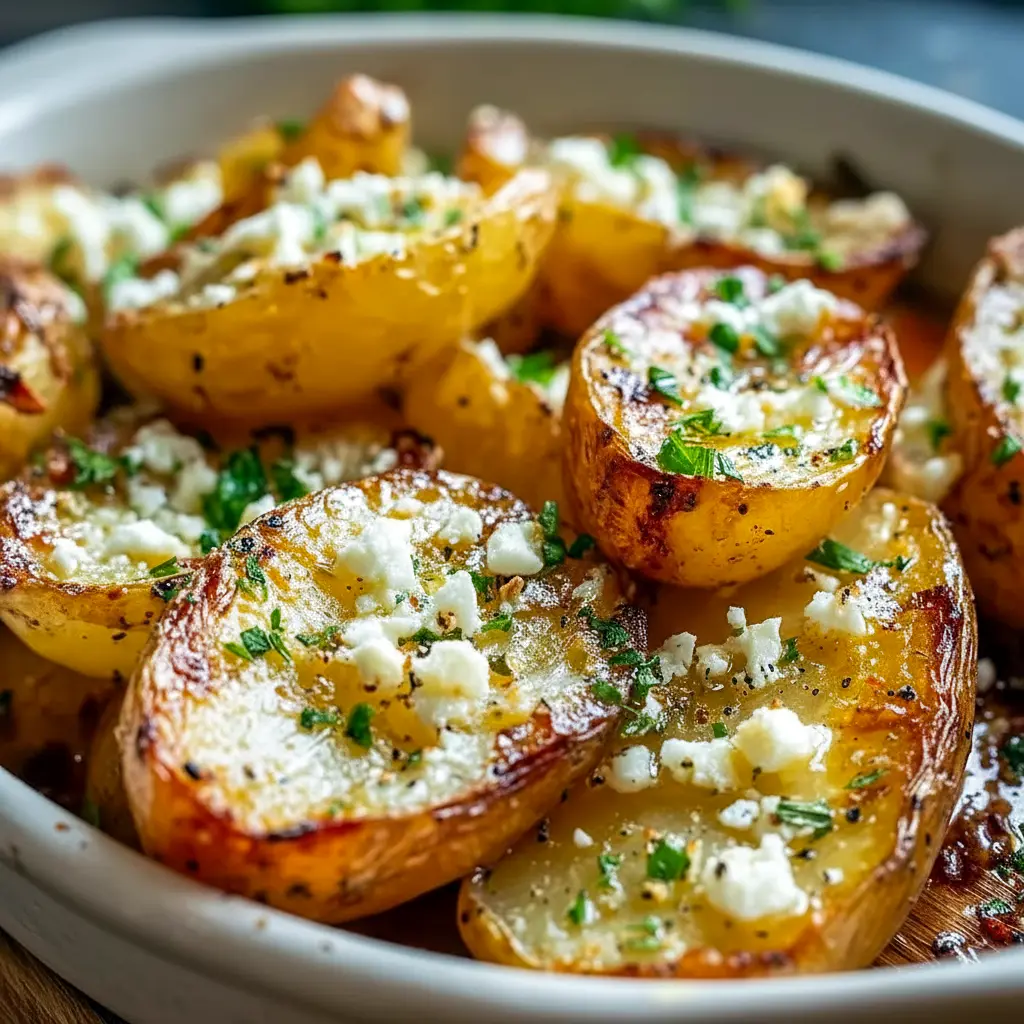
- Feta finish: Crumble feta over the hot potatoes for a salty, creamy contrast.
- Smoky paprika: Add smoked paprika to the marinade for smoky depth — great with grilled meats.
- Garlic-forward: Toss whole small garlic cloves halfway through roasting for mellow, roasted garlic goodness.
- Red potatoes / small potatoes: Leave skins on for a rustic look and bite.
- Spicy kick: Add crushed red pepper flakes into the lemon-oil mix for a subtle heat.
- Herb swap: Use a mix of oregano and rosemary for a woodier profile.
- Vegan-friendly: This recipe is already plant-based — just use vegetable broth and top with parsley.
What to serve with these potatoes
These act like culinary glue for many menus:
- With fish: They pair beautifully as Sides For Fish Dishes — lemon potatoes and branzino? Yes.
- With lamb or chicken: Classic Greek combos — roast lamb, chicken souvlaki.
- Pita & mezze: Serve as a Pita Side Dish with tzatziki, hummus and salad.
- For brunch: Toss with eggs and a dollop of labneh for a Mediterranean brunch.
- As a snack: Plate with garlic yogurt for dipping — excellent as Fun Veggie Side Dishes at parties.
Storage & reheating — keep them crispy
- Fridge: Store cooled potatoes in an airtight container for up to 3 days.
- Reheat: For best texture, reheat in a hot oven or a skillet to crisp up the exterior again. Microwave? It’ll make them soggy.
- Freezing: You can freeze cooked potatoes, but reheating will change texture. Re-crisp in a hot pan.
- Pro tip: Add a fresh squeeze of lemon after reheating to revive flavors.
Follow me on Pinterest for daily new recipes.
FAQs
Can I make these ahead for a party?
Yes. Roast almost to done, cool, then finish in the oven before serving to re-crisp.
What potato is best for crispiness?
Russets get the crispiest crust; Yukon Golds yield a creamier interior. Both work well — it’s a texture preference.
Does the broth step really matter?
Absolutely. That mid-roast splash steams the insides and turns into a savory glaze. Skip it and you risk dry centers.
Can I use bottled lemon juice?
You can, but fresh lemon makes a bright, clean difference. If you’re going authentic, squeeze fresh.
What if my potatoes brown unevenly?
Cut them uniformly, dry them well, and avoid overcrowding. Flip every 10–15 minutes during the second roast phase.
Why this works: a quick science note (no boring bits, promise)
Crispiness comes from dry heat and surface starch. Soaking removes excess starch that encourages sogginess; drying prevents steam; hot oven and oil encourage Maillard reactions that color and flavor the crust. The mid-roast liquid heats into steam that cooks the center, while the remaining juices caramelize into a glaze. Simple chemistry, huge payoff.
Final thoughts — make them your signature side
Whether you call them Grecian Potatoes, Greek Fried Potatoes (oven-roasted counts as “fried” in the flavor sense), or your new go-to Potato Side Dishes Recipe, these lemon potatoes deserve regular rotation. They’re a no-fuss way to transform humble spuds into something showy and memorable.
So — ready to give them a go? Grab good potatoes, a couple of lemons, and an honest glug of olive oil. Follow the basic rules: soak, dry, single-layer, hot oven, splash of liquid mid-roast, finish with herbs. You’ll land crunchy, tangy, herb-studded potatoes that elevate any meal. IMO, this is the easiest path to Mediterranean bliss on a weeknight.
If you try any variations, tell me which one won the table. I love swapping ideas — especially when they involve lemon and potatoes.
Print
Crispy Greek Lemon Potatoes — Easy Oven-Roasted Recipe
- Prep Time: 45 minutes
- Cook Time: 60 minutes
- Total Time: 1 hour 45 minutes
- Yield: 8 servings 1x
- Category: Side Dish
- Diet: Gluten-Free
Description
Bright, herb-scented wedges roasted until the edges shatter and the centers stay pillowy — Authentic Greek Potatoes that sing of lemon, garlic, and oregano. Simple technique, huge payoff.
Ingredients
- Russet or Yukon Gold potatoes — about 2.5–3 lbs, scrubbed (peel if you prefer)
- Fresh lemon juice — about ½ cup (use real lemons)
- Extra-virgin olive oil — about ½ cup
- Garlic — 4–6 cloves, finely minced or pressed
- Dried oregano — 2 tbsp (Greek oregano if you can get it)
- Salt — 1 tsp (adjust to taste)
- Freshly ground black pepper — ½ tsp (or to taste)
- Vegetable or chicken broth (or water) — ½ cup
- Fresh parsley or oregano, chopped, for finishing (optional)
Instructions
-
Rinse the spuds and cut them into uniform pieces — wedges about 1–1.5 inches wide or 1-inch cubes. Consistent size = even cooking. Bold tip: Don’t skimp on uniform cuts.
-
Fill a large bowl with cold water and soak the cut potatoes for at least 30 minutes. This pulls surface starch and helps the skins get extra crispy when roasted. Drain and pat completely dry with clean towels. Dryness = crunch.
-
Heat your oven to 400°F (200°C) and position the rack in the middle. A hot oven is essential for good browning.
-
In a big mixing bowl whisk together the lemon juice, olive oil, minced garlic, oregano, salt, and pepper. Taste the mix — it should be lively. Toss the dried potatoes in this mixture until each piece is well coated.
-
Spread the potatoes in a single layer on a roomy baking sheet or roasting pan. Do not overcrowd — steam kills crisp. If they’re touching, use a second pan.
-
Roast for 20–25 minutes without moving them. Let the bottoms get golden before you flip anything. Patience here pays off.
-
Pull the pan out, turn each piece so new sides get direct heat, and pour the broth (or water) into the pan around the potatoes — not over them. That liquid creates steam to finish cooking the interior while the pan fond forms and flavors everything.
-
Return the pan to the oven and keep roasting for another 25–35 minutes. Flip the potatoes every 10–15 minutes so they brown on all sides. Scrape up any browned bits and toss them back into the potatoes — they’re pure flavor.
-
Total cook time usually lands between 50–60 minutes. The potatoes are done when a fork slides in easily and the outsides look deeply golden and crisp. Want them extra-crispy? Crank the oven to 425°F for the last 10–15 minutes or broil for 1–2 minutes — watch like a hawk.
-
Let the potatoes rest on the pan for 5–10 minutes off the heat so the juices reabsorb. Finish with a sprinkle of fresh parsley or oregano and an extra squeeze of lemon before serving.
Notes
- Quick tips for success
- Soak then dry — this is the secret to crunchy edges.
- Single-layer roasting is non-negotiable for crispness.
- Add the broth mid-roast to steam the insides and form a savory glaze.
- Use fresh lemon — bottled juice won’t give that bright pop.
- FYI: a half-and-half swap of oil and butter makes the finish richer if you’re feeling indulgent.
- Serving & storage
- Serve these as a classic Pita Side Dish, with grilled fish, roast lamb, or alongside a crisp Greek salad. Leftovers keep in the fridge for up to 3 days; reheat in a hot oven or skillet to restore crunch (microwaves make them soggy). For best flavor, refresh with a little lemon before serving.