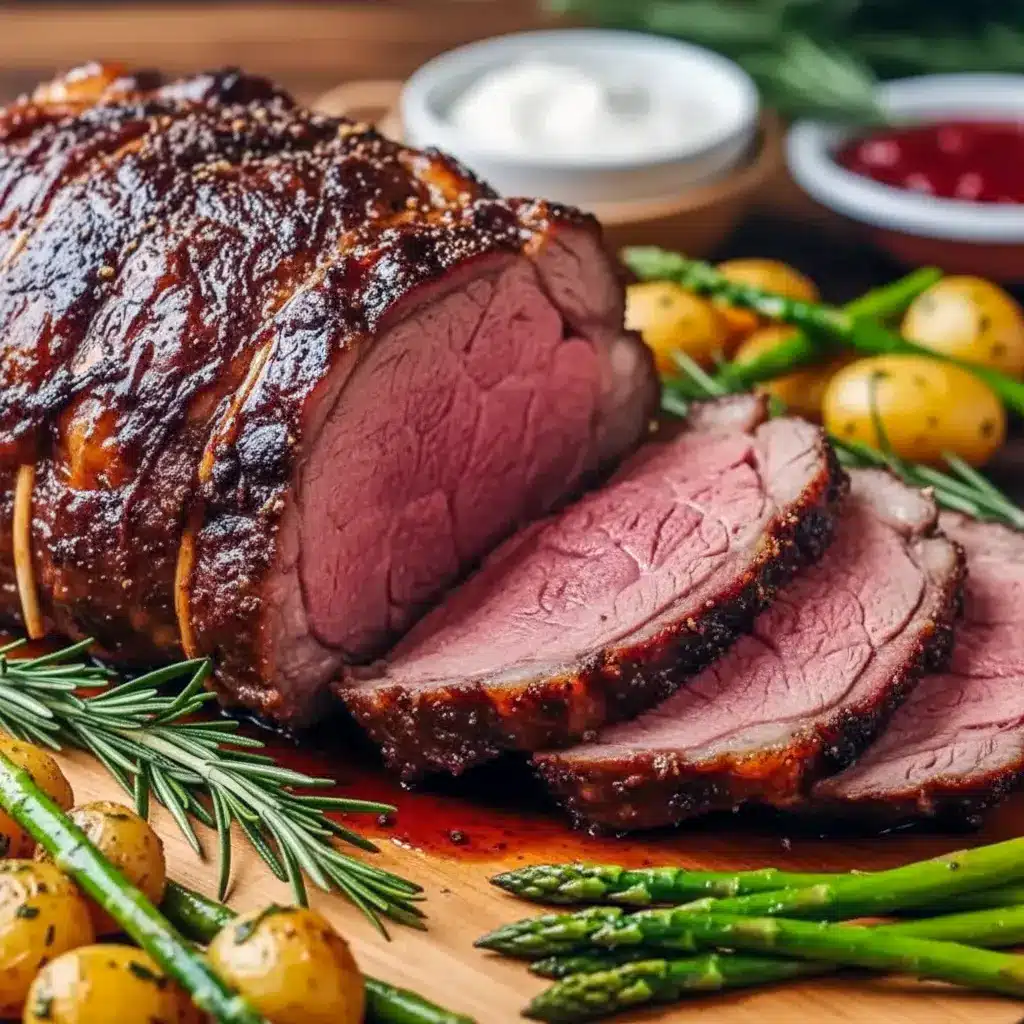
Oven Roasted Prime Rib Roast — Your Foolproof Christmas Centerpiece
An Oven Roasted Prime Rib Roast is the crown jewel of holiday meals — and yes, you can absolutely nail it at home without breaking a sweat. This guide walks you through every step: shopping, seasoning, roasting, saucing, carving, and reheating so your Christmas dinner earns the “best ever” title. Let’s get into it.
Why you’ll fall head-over-heels for this prime rib
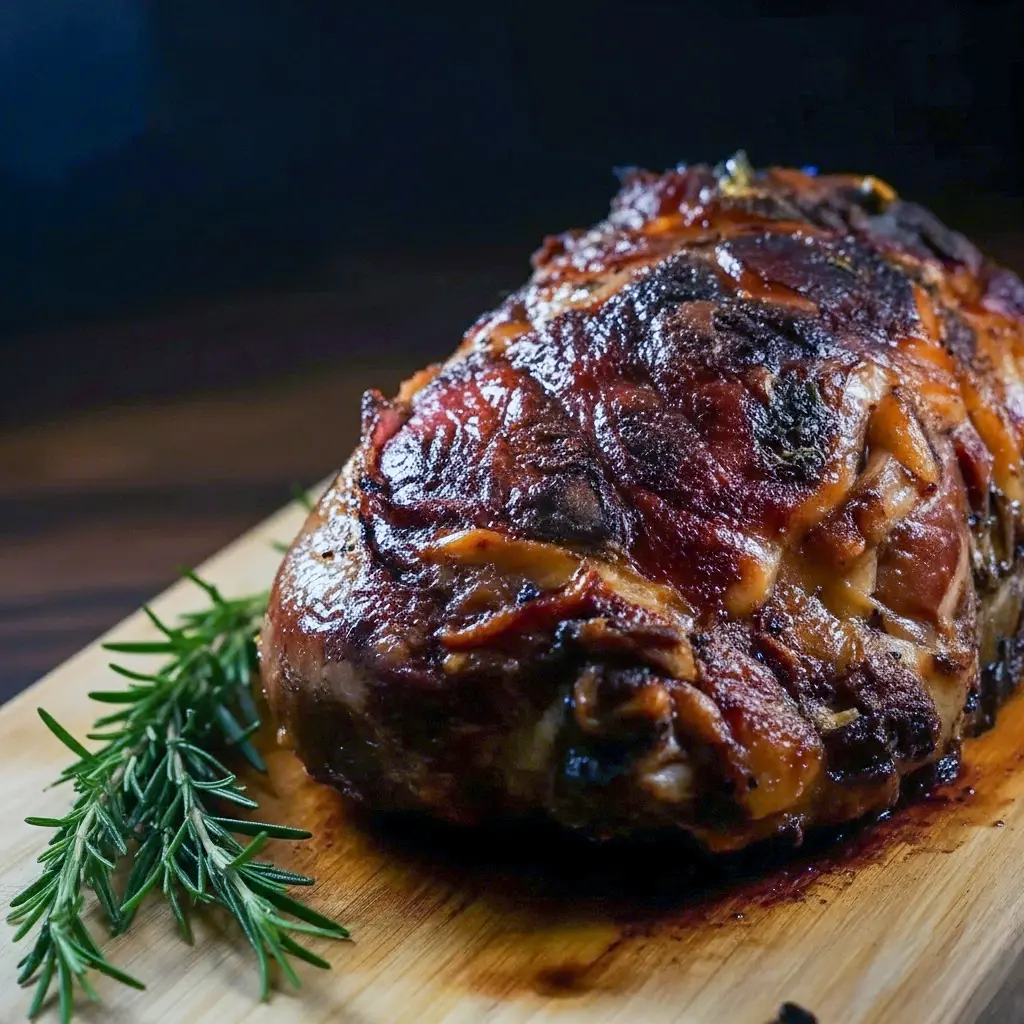
- Restaurant-quality results at home — a deep brown crust and a rosy, juicy center.
- Make-ahead friendly — dry-brine it 24 hours in advance for deeper flavor and less last-minute fuss.
- A showstopping centerpiece — plunk this on the table and watch jaws drop.
- Two killer sauces — a rich au jus and tangy horseradish cream to please everyone.
Sound dramatic? Good. Dinner should feel that special.
What to buy and why it matters
When you shop, say these magic words: “Prime or Choice, bone-in, small end if possible.” Ask your butcher to tie the bones back on after they remove them — you get the flavor benefits of bones and easier carving. If you can spring for Prime, go for it; more marbling equals more buttery flavor. If budget’s tight, Choice works great too.
Here are the keywords to know (and yes, I’ve bolded them for your copy-paste convenience): Large Prime Rib Roast Oven, Prime Rib Roast Recipe Bone In Oven, Prime Rib Roast Recipe Bone In Oven (that’s your bone-in shout-out), and if you like experimenting, look up Oven Prime Rib Roast Recipes for variations.
Tip: Aim for a roast aged at least 21 days if available — it changes the texture and flavor noticeably.
The flavor foundation: dry brine & seasoning
Dry-brining is simple and the difference-maker. Coat the roast with kosher salt (roughly 1% of the roast’s weight), rub on cracked black pepper, and let it rest uncovered in the fridge for 24 hours. This does three things: seasons deeply, firms the meat for a better crust, and concentrates flavor.
Pro tip: If you forget the 24-hour window, salt at least 2–4 hours ahead. It still helps.
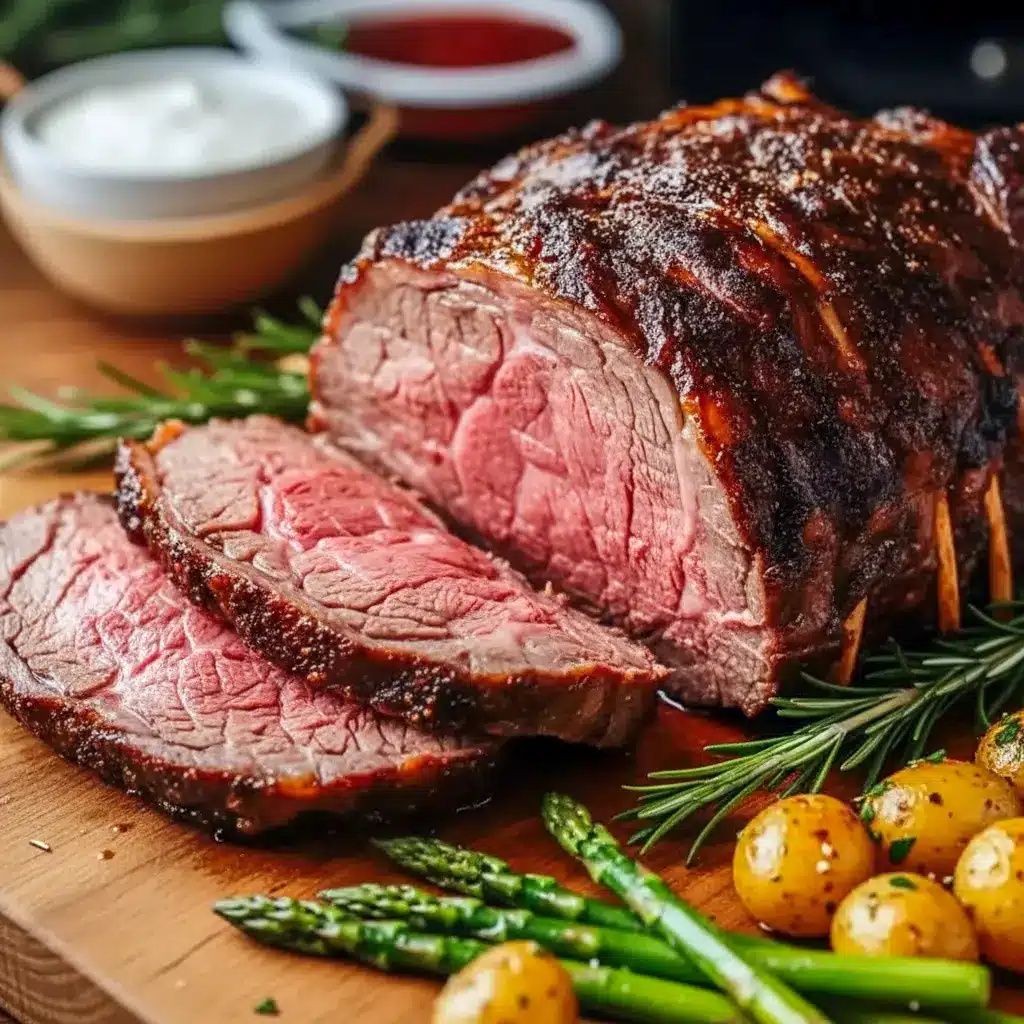
Step-by-step: the foolproof roast method
This method is low-fuss but timing-precise — set a meat thermometer and chill.
Step 1 — Get the roast to room temp
Take the roast out 2 hours before cooking. Letting it warm up ensures even cooking rather than a gray overcooked band around the edge.
Step 2 — Low-and-slow roast
Preheat oven to 250°F. Place the roast fat-side up on a rack in a roasting pan. Insert a probe thermometer into the thickest part (not touching bone). Roast until internal temp hits 115°F for rare or 120°F for medium-rare. For a typical 6-lb roast this takes about 3 hours, but always go by thermometer, not clock.
This reverse-roast technique gives superb edge-to-edge pink and is my go-to Best Way To Cook Prime Rib.
Step 3 — Rest, then blast for crust
Remove roast, tent loosely with foil, and rest 20–30 minutes. Now hit it under the broiler 1–2 minutes per side or crank oven to broil and brown quickly to build that gorgeous crust.
Bold tip: Resting is not optional — it keeps your juices on the inside where they belong.
Make the au jus that actually tastes like the expensive stuff
While the roast cooks, build a deep-flavored jus:
- Brown 3 lb meaty bones (oxtails or neck bones) in olive oil until caramelized.
- Add chopped carrots, celery, onion, smashed garlic and a spoonful of tomato paste. Cook until veggies sweeten.
- Deglaze with 1/2 cup dry red wine, scrape up the brown bits, then add 6 cups low-sodium beef stock.
- Simmer with thyme and bay leaf for the roast cooking time, then strain. Hit with salt to taste.
This is your Roasted Prime Rib Recipe’s secret weapon. Make it early and let flavors marry.
Horseradish cream — the perfect tang
Stir together 1 cup sour cream, 5 tbsp prepared horseradish, 1 tbsp Dijon mustard, 2 tsp Worcestershire, and 2 tbsp mayo. Chill. It wakes up the beef and cuts through the richness like a champ.
What to serve with prime rib (because balance matters)
You want sides that feel holiday-fancy but won’t fight the roast:
- Creamy mashed potatoes — duh. Perfect for au jus.
- Roasted baby potatoes with herbs and garlic.
- Yorkshire puddings if you want traditional British flair.
- Roasted Brussels sprouts or green beans for a slightly bitter counterpoint.
- A crisp salad for freshness.
If you want to keep it simple and classy, serve a buttery potato and a green veg. Done.
Storage, leftovers, and reheating (do it right)
- Fridge: Wrap tightly or use airtight container — up to 3–4 days. Au jus lasts ~5 days separately. Horseradish sauce ~1 week.
- Freeze: Wrap in plastic, then foil, freeze up to 6 months. Au jus freezes perfectly in containers or ice cube trays.
- Reheat: Slow and low is your friend. Wrap slices in foil, reheat in 250°F oven until 120°F. Or warm slices briefly in au jus on the stovetop.
FYI: Microwaving will dry it out — don’t do it unless you love sad meat.
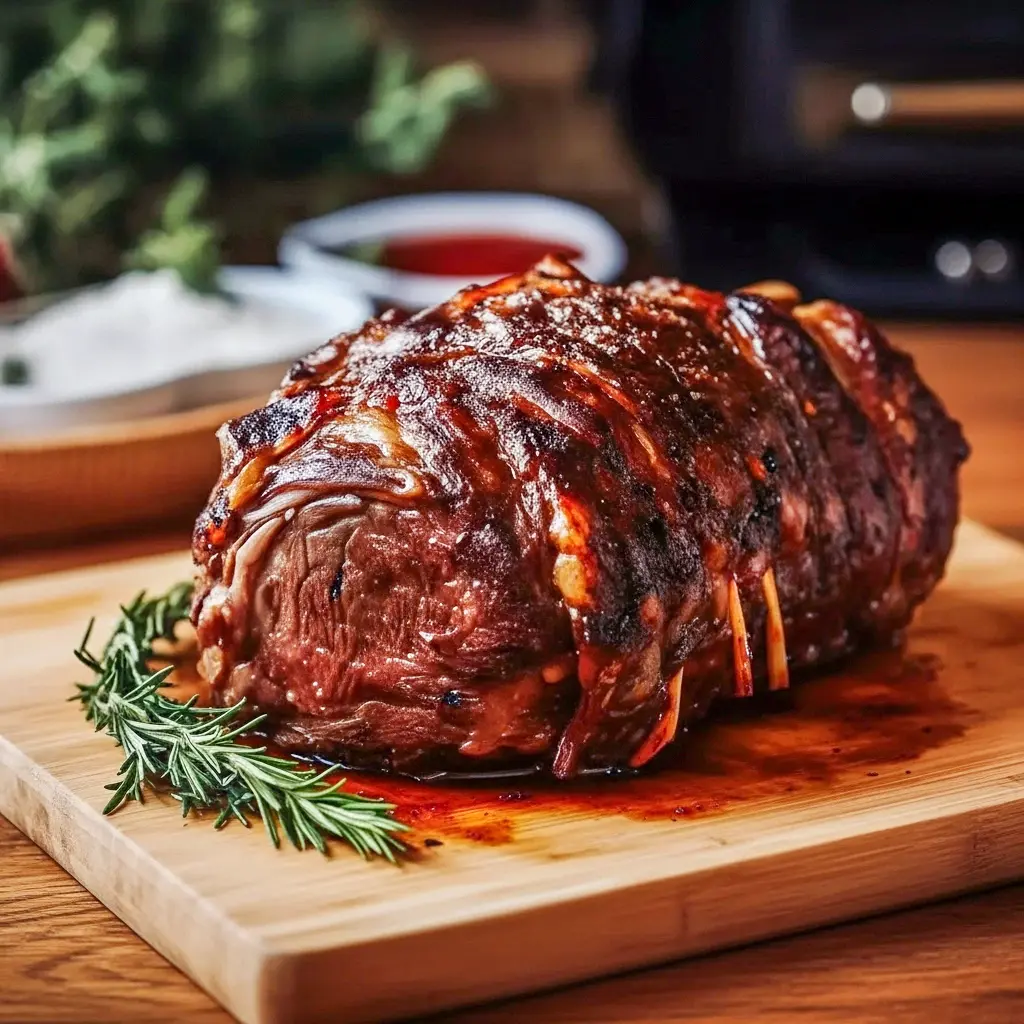
Timings and oven strategy (quick cheat sheet)
- Dry brine: 24 hours ahead (best)
- Room temp: 2 hours before roast
- Oven roast: 250°F until 115–120°F internal (~3 hours for 6 lb)
- Rest: 20–30 minutes
- Broil: 1–2 min per side for crust
This is a solid Oven Prime Rib Recipe blueprint.
Variations worth trying
- Herb-garlic crust: Add minced garlic, rosemary, and thyme mixed with butter to rub on before broiling.
- Coffee or espresso rub: A touch of instant coffee in the rub adds a smoky, deep note (works like a charm).
- Reverse-sear vs. traditional roast: If you prefer, sear hot first then roast — but reverse-sear (low then blast) gives better evenness.
- If you need bone-in tips, look up Prime Rib Roast Recipe Bone In Oven for bone handling and carving tricks.
Carving like a pro
Carve against the grain in even slices about 1/4–1/2 inch thick. If bones are still attached, slice between bones for tidy portions. Present the roast whole first and slice at the table for drama.
Pro tip: Keep a towel under your carving board to stop it sliding.
FAQs (quick answers so you don’t panic)
What internal temp for medium-rare?
Pull at 120°F; carryover will bring to ~125–130°F.
Can I use a convection oven?
Yes. Reduce temp by 15–25°F and check earlier.
I don’t have bones — is boneless okay?
Totally. Boneless cooks more evenly — just follow thermometer guidance.
Can I roast at higher temps to save time?
You can, but you risk uneven cooking and more gray banding. Low-and-slow + finish hot = best texture.
Which keyword covers recipes?
Search Roasted Prime Rib Recipe, Oven Prime Rib Recipe, or Oven Prime Rib Roast Recipes for variations and inspiration.
Troubleshooting common issues
- Dry roast? Likely overcooked. Use a reliable probe thermometer and rest properly next time.
- No crust? Pat meat dry before broiling; ensure broiler is hot.
- Too salty? Use low-sodium stock and taste as you go when making jus and sauces.
Sample grocery checklist
- 6 lb bone-in prime rib (Prime or Choice)
- Kosher salt & coarse black pepper
- Olive oil, butter
- Oxtails or meaty bones for jus
- Carrots, celery, onion, garlic
- Tomato paste, red wine, beef stock
- Prepared horseradish, sour cream, Dijon, mayo
- Fresh thyme and bay leaves
Final thoughts (short & spicy)
This Roasted Prime Rib Roast method gives you a gorgeous, juicy roast that steals the holiday show. It’s not trickery — it’s technique. Dry-brine, low roast, rest, then blast for color. Build a rich au jus and a bright horseradish cream to balance the richness. Want the short version? Prep the day before, roast low, rest, broil, slice, and bask in the compliments.
If you want a printable checklist, timing sheet, or a variation for Large Prime Rib Roast Oven cooks, I can format one for you. But honestly? With this method, you’ll nail the Best Way To Cook Prime Rib and have a Christmas dinner people will remember. Merry feasting!
Follow me on Pinterest for daily new recipes.
Ultimate Christmas Prime Rib — Foolproof Oven Roasted Prime Rib Roast
- Prep Time: 24-30 hours
- Cook Time: 180-210 minutes
- Total Time: 0 hours
- Category: Dinner
Ingredients
Prime rib
- 3 tablespoons kosher salt
- 1 tablespoon coarsely ground black pepper
- 6 lb prime rib roast
Au jus (beef broth)
- 3 tablespoons olive oil
- 3 lb meaty bones (oxtails or other beef bones)
- Freshly ground pepper, to taste
- 2 large carrots, roughly chopped
- 1 teaspoon concentrated beef base (optional)
- 3 celery stalks, roughly chopped
- 6 cups low-sodium beef stock
- 1/2 cup dry red wine (Cabernet, Merlot, etc.)
- 1 tablespoon tomato paste
- 2 sprigs fresh thyme
- 5 garlic cloves, smashed
- 1 large bay leaf
- Salt, to taste
- 1 large onion, quartered
Horseradish cream
- 5 tablespoons prepared horseradish
- 2 teaspoons Worcestershire sauce
- 1 cup sour cream
- 1 tablespoon Dijon mustard
- 2 tablespoons mayonnaise
Instructions
-
Salt the roast ahead
Pat the roast dry. Rub the meat evenly with the kosher salt (about 30 g, roughly 1% of the roast weight). Cover and refrigerate for at least 24 hours — this dry-salt rest seasons deeply and improves the final crust. -
Bring to room temperature & preheat
On the day you’ll cook, take the roast out of the fridge and let it come toward room temperature (the original timing suggests several hours; aim to remove it well in advance so it’s not stone cold going into the oven). Preheat your oven to 250°F (120°C) and position a low rack to fit the roast. -
Trim & tie if needed
If your butcher removed the rib bones, reattach or tie them back on so the roast cooks evenly and is easier to carve later. -
Brown bones and build flavor for the jus
Heat the olive oil in a large stockpot over medium heat. Add the beef bones and brown thoroughly on all sides — this can take 10–12 minutes and develops deep flavor. Add the smashed garlic, chopped carrots, celery and the quartered onion; cook until the vegetables soften. Stir in the tomato paste and cook a few more minutes to caramelize. -
Deglaze and simmer the broth
Pour in the red wine to deglaze the pan, scraping up any browned bits from the bottom. Add the beef stock, thyme sprigs and bay leaf. Bring to a boil, then lower to a gentle simmer and let it cook while the roast is in the oven so the liquid reduces and concentrates into a rich au jus. -
Roast low and slow
Insert a probe thermometer into the thickest portion of the roast (avoid touching bone). Place the roast, fat-side up, on a rack in a roasting pan and slide it into the 250°F oven. Roast until the internal temperature reaches about 115°F for rare or 120°F for medium-rare — this usually takes roughly 3 hours for a 6-lb roast, but times will vary by oven and roast size. Rely on the thermometer, not the clock. -
Rest the meat
Remove the roast from the oven and loosely tent it with foil. Let it rest for 20–30 minutes so the juices redistribute and the carryover heat brings the roast a few degrees higher. -
Make the horseradish sauce
While the roast rests, whisk together the sour cream, prepared horseradish, Dijon mustard, Worcestershire sauce and mayonnaise in a bowl until smooth. Adjust seasoning to taste and chill until serving. -
Finish the roast for a crust
After the rest, place the roast under the broiler (or increase oven heat to high) and brown the exterior for 1–2 minutes per side to develop a caramelized crust — watch it closely so it doesn’t burn. Remove and let the roast sit a couple minutes before slicing. -
Strain and finish the au jus
Strain the simmered broth through a sieve, discarding solids. Skim excess fat from the top (paper towels or chilled fat removal can help). Adjust seasoning with salt and pepper. Keep the jus warm for service. -
Carve and serve
Slice the roast against the grain into even pieces. Serve immediately with warm au jus and a dollop of horseradish cream on the side.
Notes
- Dry-brining (step 1) makes a big flavor difference — don’t skip it if you can plan ahead.
- Watch the thermometer — it’s the single most reliable way to perfect doneness.
- The au jus can simmer on low while the roast cooks; it will only get better with time.
- Leftovers store well: keep the meat sealed in the fridge for 3–4 days and freeze for longer storage.