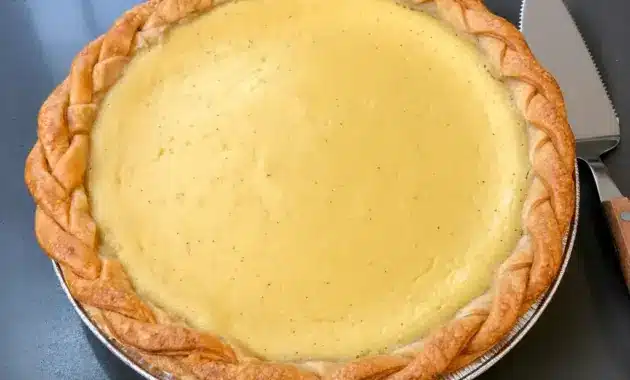
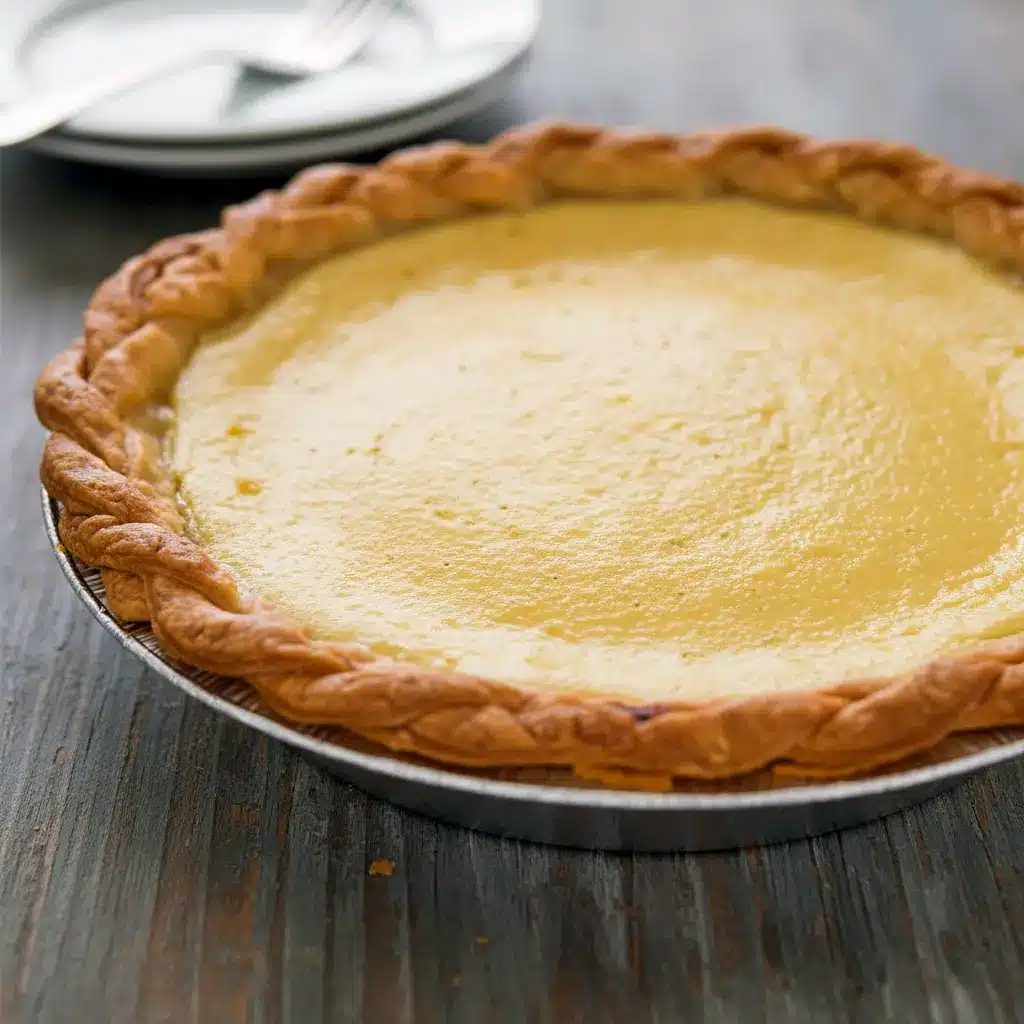
Apple Custard Pie once ruled New England Thanksgiving tables — a silky, spiced custard made from stewed apples, eggs, cream, and a cheeky splash of sherry tucked into a dark, flaky crust. If you’ve never met this almost-forgotten classic (aka the Marlborough Pie), you’re in for one of those pleasantly odd culinary discoveries: familiar, comforting, and quietly sophisticated all at once.
Apple Custard Pie — a quick invitation
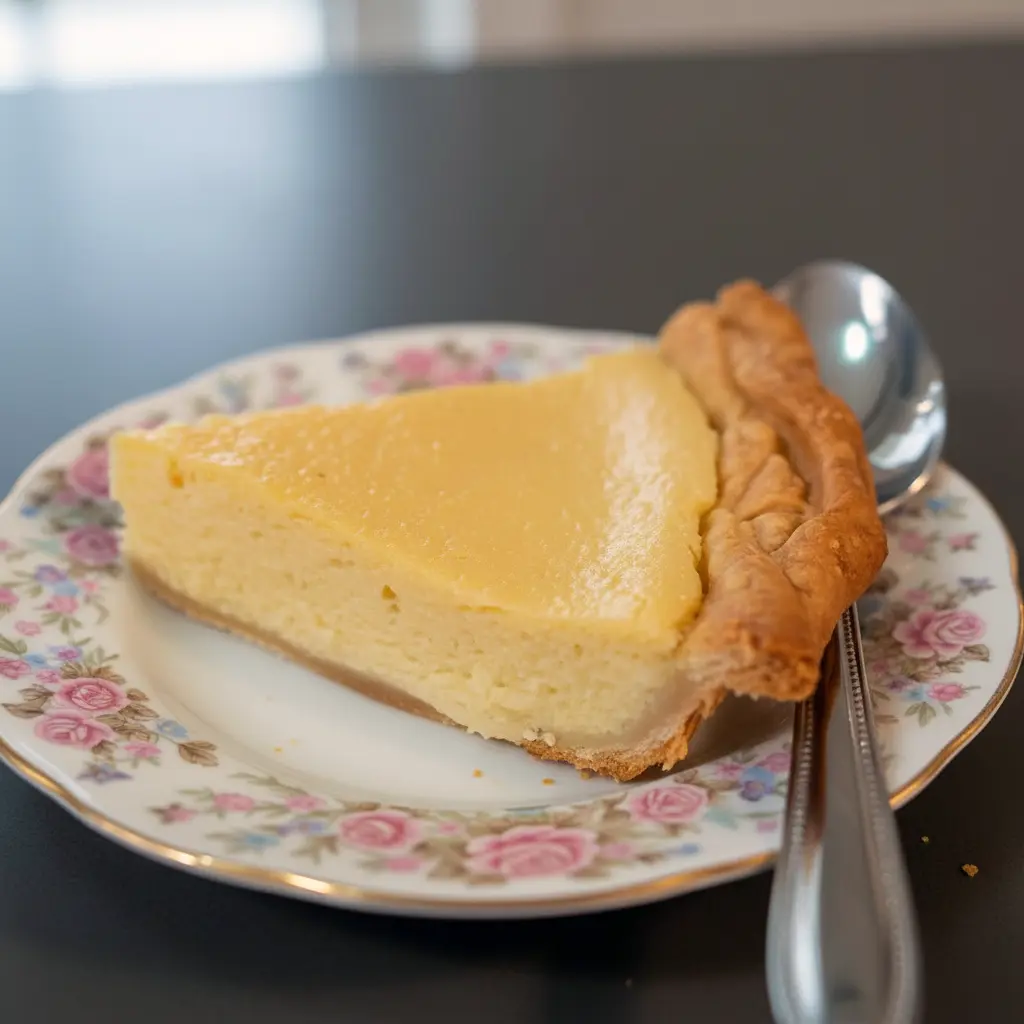
Think pumpkin pie’s texture with apple pie’s soul. That’s the idea behind this Apple Custard Pie: apples cooked down into a smooth applesauce, blended with cream, eggs, nutmeg, lemon, and sherry, then baked until the custard just holds a tiny center wobble. The finished slice tastes like autumn in a forkful — warm spice, gentle apple sweetness, and a custardy richness that’s not cloying.
Why you’ll want to make this Apple Custard Pie (and why it matters)
Do you love Old Pies with stories attached? This one’s a little museum piece — and a delicious one. It started life as a British pudding and migrated into American kitchens where apples were abundant. Unlike an Apple Cobbler Pie or a chunky apple pie, this custard version celebrates apples in a more restrained, silky way. It’s also simpler to serve (no slicing through layers of fruit) and stores neatly in the fridge, making it an underrated Rival Pie Recipe to trot out at holiday dinners when you want something different but still unmistakably classic.
Bold tip: If you crave vintage recipes, this is one of those Pie Recipes From Scratch that rewards a tiny bit of patience with a big nostalgia payout.
The Key Ingredients (and Why You Need Them)
Below I list the main ingredients (no amounts here — the printable card has those). I’ll explain what role each plays so you understand how and why to tweak things.
- Apples (stewed or unsweetened applesauce): These supply the pie’s core flavor. Stewing your own apples lets you control sweetness and texture; store-bought unsweetened applesauce will work in a hurry.
- Sugar: Balances apple tartness and helps the custard set. Adjust to taste, especially depending on how sweet your apples are.
- Sherry (dry): The classic Marlborough signature. It deepens the flavor and adds a subtle nutty note. If you prefer no alcohol, read on — substitutes work.
- Eggs, milk, heavy cream: The custard engine. The ratio of milk to cream alters silkiness versus richness.
- Lemon juice: Brightens the filling and keeps the apple flavor lively.
- Nutmeg: The traditional spice — warm, aromatic, and essential. Use it sparingly.
- Pre-baked (blind-baked) pie shell: Custard pies do best in a dark, well-browned shell. A lighter crust can go soggy under the wet filling.
Pro tip: Use a mix of sweet and tart apples (think Gala + Granny Smith) when stewing. The contrast lifts the custard’s overall flavor.
Apple Custard Pie: How to Make It
Here’s a straightforward path from pantry to pie plate.
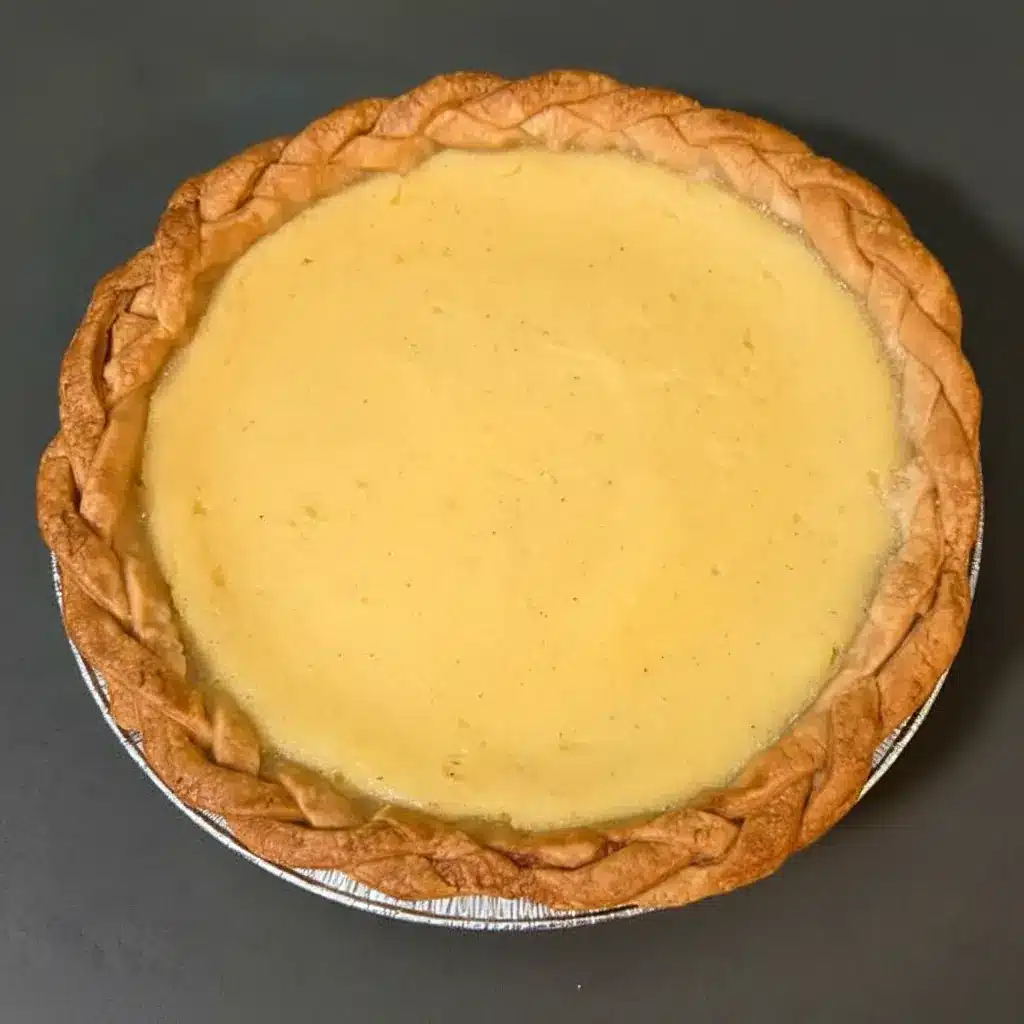
- Preheat and prep. Heat the oven to a moderate temperature (around 350°F / 175°C). Blind-bake a single-crust pie shell until the edges take on a deep color; a darker crust adds toasty flavor and resists sogginess.
- Stew the apples. Peel, core, and chop apples. Simmer them with a splash of water until very soft, then drain thoroughly. For the smoothest filling, puree the stewed apples in a food processor — this creates the applesauce base that distinguishes this pie from chunky fruit pies.
- Blend the custard. In a food processor or blender, combine the applesauce, sugar, sherry, lemon juice, nutmeg, and a pinch of salt. Purée until silky. Add beaten eggs, milk, and cream; blend again until homogeneous. The result should look like velvety apple cream.
- Finish the shell and fill. Brush the pre-baked pie shell’s rim with a little cream or beaten egg for a glossy edge if you like. Place the shell on a baking sheet, pour in the filling, and slide it into the oven.
- Bake to a gentle jiggle. Bake 30–40 minutes; the custard should set around the edges and still have a slight wobble in the center. Avoid overbaking — dry, cracked custard is sad.
- Cool and chill. Let the pie cool slowly to room temperature, then chill in the fridge for at least three hours. Cooling slowly reduces the odds of cracks and helps the custard firm to perfect sliceability.
Bold point: The center should jiggle slightly when the pie is done — it will set during chilling.
A short note about crusts and Single Crust Pie options
This is a single-crust pie at heart. Use a sturdy shortcrust pastry and don’t be shy about blind-baking it dark enough — the color adds flavor. If you prefer convenience, a Refrigerated Pie Crust Idea works fine; bake it slightly longer and watch closely for darkening.
Why sherry matters — and what to use if you don’t have it
Sherry is what gives this pie its old-world personality: nutty, oxidized notes that don’t scream “wine” but quietly lift the filling. Historically, sherry was common in colonial pantries, which explains why this pie felt special. If you don’t have sherry:
- Use a dry white wine for a lighter effect.
- Use apple brandy for deeper orchard notes.
- For a non-alcoholic alternative, a bit of apple cider plus a tiny splash of vanilla can mimic the complexity.
FYI: Prohibition-era shortages probably accelerated the pie’s disappearance from mainstream cookbooks — without sherry, many cooks didn’t find the versions as compelling.
Stewing apples — do it right
Original recipes instruct cooks to “stew and grate” apples. Modern convenience lets us blend the stewed apples for a smoother custard. Here’s a quick method:
- Peel and core apples, cut into chunks.
- Simmer with a little water until soft.
- Drain thoroughly (excess liquid will thin the custard).
- Puree or run through a food processor for velvety applesauce.
Pro tip: Drain the stewed apples well and press them gently in a sieve if needed — watery filling leads to runny custard and a soggy crust.
Pro tips for perfect results
- Don’t overbake. Overcooking ruins custard texture. Pull the pie when the center still jiggles slightly; it will firm up in the fridge.
- Cool gradually. Let the pie rest at room temperature before chilling to reduce cracking.
- Use a dark-blind-baked crust. This pie benefits from a toasty shell that adds flavor and prevents sogginess.
- Blend for silkiness. A food processor yields a smoother, more elegant filling than hand-grated apples.
- If cracks appear, don’t panic. They’re cosmetic. A dollop of whipped cream covers a multitude of sins.
Bold tip: If you want clean slices, chill the pie thoroughly — at least three hours — before serving.
Variations to try (playful riffs on an old classic)
- Add a touch of cinnamon or pumpkin pie spice if you want extra complexity — go light, start with 1/4 teaspoon.
- Lemon zest boosts brightness and amplifies the apple’s top notes.
- Tiny pumpkin puree was suggested historically; try a tablespoon for a subtle nuance.
- Bob Andy Pie / Amish-style inspiration: If you like Bob Andy Pie Amish Recipes, explore adding dried fruit or swapping some sugar for molasses for a rustic spin.
- Apple Cobbler Pie hybrid: Fold small apple chunks into part of the filling for an Apple Cobbler Pie-like bite amid the custard.
- Refrigerated crust shortcuts: Use a store-bought crust for convenience — remember to blind-bake until the shell is a bit darker than usual.
Serving ideas — how to present this vintage star
This pie shines chilled, topped with softly whipped cream or a scoop of vanilla ice cream. For a finer touch, grate a bit of fresh nutmeg over the top. Think simple: the custard’s texture and flavor deserve minimal distraction.
Pair it with: strong coffee, a lightly sweet sherry, or a cup of black tea. For a Thanksgiving table, serve alongside classic pies — it offers a gently different mouthfeel that guests often appreciate.
Storage & leftovers — practical notes
Because the filling contains dairy and eggs, always store the pie refrigerated after baking. Cover tightly and consume within 3–5 days. The crust will soften over time as it absorbs moisture, so expect the texture to change; it’s still delicious, just less crisp. You can freeze slices wrapped well for longer storage, but the custard texture may shift slightly after thawing.
FAQs about Marlborough Pie / Apple Custard Pie
Can I use store-bought applesauce?
Yes — unsweetened applesauce is a great shortcut. Homemade stewed apples add extra freshness and allow you to tune sweetness.
Why did Marlborough Pie vanish from cookbooks?
Historians point to Prohibition and changing tastes. Sherry-driven recipes lost popularity when fortified wines became scarce; the pie faded into the background.
Will the filling crack while cooling?
It can. Cool slowly and avoid overbaking to minimize cracks. If cracks appear, a puddle of whipped cream covers them easily.
Can I make this in a different pan?
It’s a Single Crust Pie by design. If you want sheet-pan convenience, you can adapt proportions to a 9×13 pan, but expect a thinner custard layer and different bake time.
A note on history — why these Old Pies matter
Recipes like this give us a lens into how people cooked and celebrated. The Marlborough Pie Recipe ties back to English puddings and shows how colonists adapted tastes to local produce. Bringing this pie back isn’t just about nostalgia; it’s about honoring a regional tradition and remembering how flavors migrate and change.
Rival Pie Recipe? Yes — and that’s a good thing
On a Thanksgiving table, pies compete for attention. An Apple Custard Pie doesn’t try to out-color an apple lattice or out-spice a pumpkin pie; it offers a different texture and tone. That makes it a delightful Rival Pie Recipe — guests can choose between crunchy fruit, silky custard, and deeply spiced pumpkin.
Final thoughts — bring this pie home
If you love exploring Pie Recipes From Scratch and bumping into culinary history, this Apple Custard Pie (Marlborough pie) rewards curiosity. It’s easy to make, elegant to serve, and odd enough to elicit “What is this?” followed by “I love this.” Try it for your next holiday, or resurrect it as a midweek treat. Either way, you’ll be reconnecting with a forgotten flavor that deserves a second act.
One last bold tip: Stew your apples, drain them well, blend to a silky texture, and don’t overbake the custard. Those three steps are the secret to a beautifully set, deeply flavored Apple Custard Pie.
Now — who’s ready to rescue an old pie from the recipe archive and give it a place on the table again?
Follow me on Pinterest for daily new recipes.
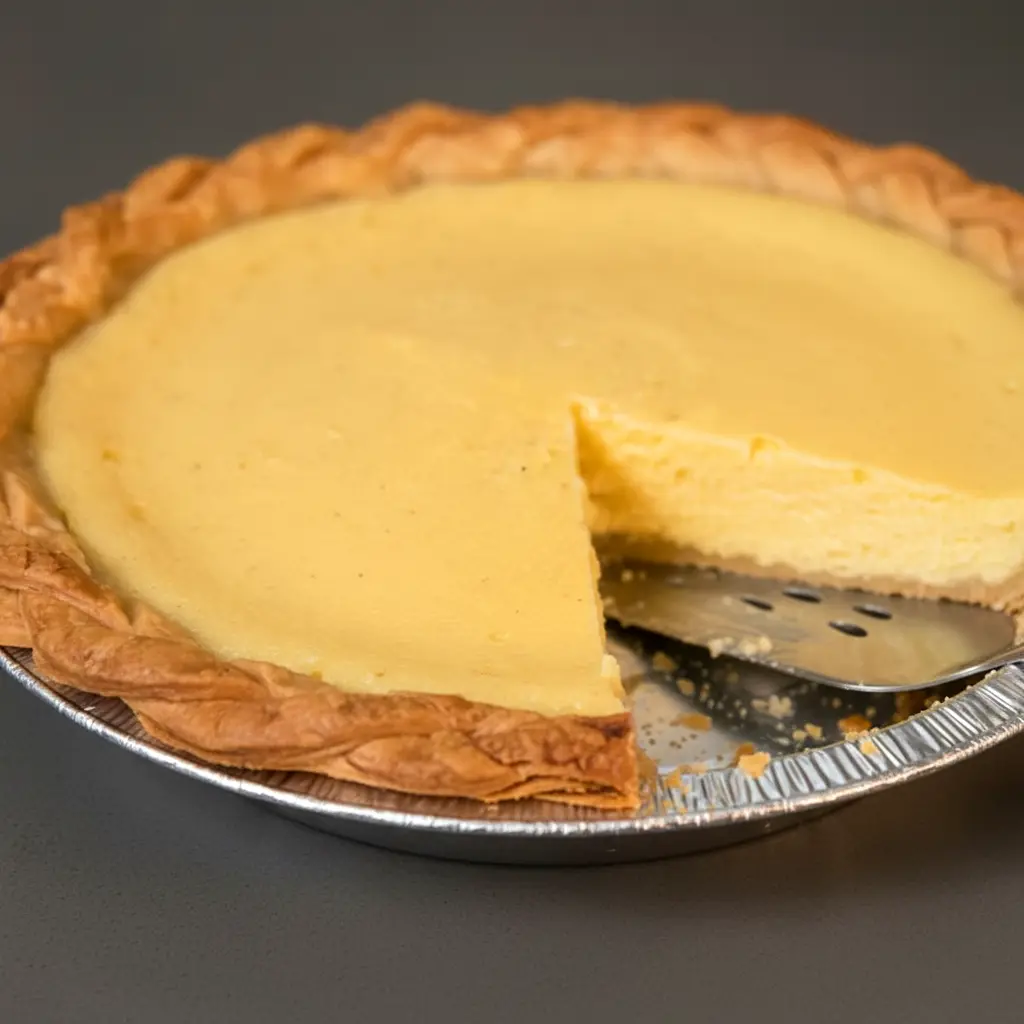

Marlborough Pie – A Classic Apple Custard Pie
- Prep Time: 30 minutes
- Cooling Time: 2 hours
- Cook Time: 40 minutes
- Total Time: 3 hours 10 minutes
- Yield: 1 pie 1x
- Category: Dessert
- Cuisine: American
Description
A vintage New England dessert reimagined: a silky apple-custard baked in a deeply browned pie shell, scented with nutmeg and brightened by lemon and a splash of sherry. Smooth, subtly spiced, and served chilled — it’s like pumpkin pie’s texture with an apple-forward personality.
Ingredients
Crust
- 1 dark, blind-baked single pie shell
- 2 tbsp heavy whipping cream (optional — for brushing the rim)
Apple–Custard Filling
- 1 lb apples, stewed until very soft (about 1 Gala + 1 Granny Smith) — or 1 cup unsweetened applesauce
- ¾ cup granulated sugar
- 3 tbsp dry sherry
- 2 tbsp unsalted butter, melted
- 2½ tbsp fresh lemon juice
- ½ tsp ground nutmeg
- ¼ tsp fine salt
- 3 large eggs
- ½ cup whole milk
- ½ cup heavy whipping cream
Instructions
-
Preheat oven to 350°F (175°C). Make sure your pie shell has been blind-baked until it’s a deep golden brown. Set the shell on a rimmed baking tray to catch any spills.
-
If you stewed apples, drain any excess liquid and place the fruit in a food processor. Add the sugar, sherry, lemon juice, melted butter, nutmeg, and salt. Puree until completely smooth. (If you’re using store-bought unsweetened applesauce, combine it with the sugar and flavorings in the processor.)
-
With the processor running, add the eggs, then pour in the milk and cream. Blend until the mixture is homogeneous and silky. Scrape down the bowl once or twice to ensure even mixing.
-
(Optional) Brush the exposed edge of the pie shell with heavy cream for a glossier, deeper-browned rim after baking.
-
Pour the custard into the prepared crust, transfer the baking sheet to the oven, and bake for 30–40 minutes. The filling should hold at the edges while the center still has a slight wobble — don’t let it firm completely.
-
Remove the pie and cool it on the counter to room temperature. Once cooled, chill the pie in the refrigerator for at least 3 hours so the custard sets and slices cleanly.
Chef’s note: Avoid overbaking; the custard will finish setting as it cools. If you see small surface cracks, a dollop of whipped cream hides them and tastes great.