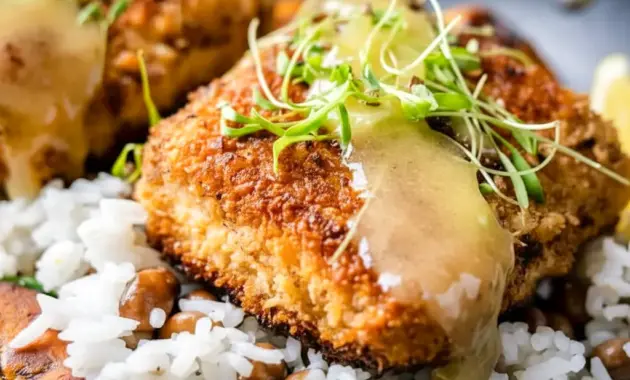
If you want flaky, mild-flavored fish that behaves like a vacation plate, Mahi Mahi delivers every time. Light, clean, and firm enough to hold a crunchy coating, it soaks up tropical flavors without stealing the show. This Coconut-Crusted Mahi-Mahi with Pineapple Beer Butter Sauce channels island vibes in every bite — think toasted coconut crust, a golden sear, and a glossy, slightly tangy butter sauce finished with a hit of pineapple and beer. Ready to go on a mini getaway at your dinner table?
Brief introduction to the recipe
This dish pairs a crisp coconut-panko crust with a silky, silky beurre-blanc-style sauce that’s been brightened with pineapple and mellowed with beer. You get texture, sweetness, and a buttery finish that complements the fish, not overwhelms it. It’s approachable, impressive, and surprisingly straightforward if you follow a few key steps. Serve with rice and fried plantains for full Caribbean energy.
Why you’ll fall for this one
- The coconut crust gives a satisfying crunch and a toasty, nutty aroma.
- The sauce tastes like vacation — tropical, buttery, and balanced.
- It looks restaurant-level without the headache of restaurant timing.
- It adapts easily: swap nuts, pick a different beer, or use fresh or frozen fillets.
Who wouldn’t want a dinner that feels fancy but comes together without fuss?
The Key Ingredients (and Why They Matter)
Below I list the main components (no amounts here — follow the recipe card). I’ll explain what each does so you can tweak with confidence.
- Mahi-Mahi fillets — Firm white flesh holds the crust; mild taste pairs well with sweet-savory sauces. Fresh is great; frozen works fine.
- Toasted shredded coconut — Offers the characteristic island flavor and crunchy exterior. Toast it for deeper, nuttier notes.
- Panko breadcrumbs — Light and airy; they build crunch without turning heavy.
- Flour + egg wash — Create the “glue” that helps the coconut-panko stick to the fish.
- Butter — For both browning the fillets and finishing the sauce — butter makes everything feel indulgent.
- Pineapple juice + beer — The acid and sweetness from pineapple cut through the butter, while beer adds a mellow, malty depth.
- Salt, white pepper, coriander — Minimal seasonings that highlight, not hide, the fish. Use them sparingly.
If you swap anything, keep the balance: crunchy exterior, tender fish, and a bright sauce to tie it together.
How to Make It
Prep the fish
Dry the fillets well. Pat them until they stop looking damp. Season with salt, white pepper, and ground coriander. Let them rest on a rack in the fridge for 15–30 minutes — this firms the surface and helps the coating stick.
Build the breading station
Set out three shallow bowls: one with flour, one with beaten eggs (thin with a splash of cold water), and one with the coconut-panko mix. Press the coconut mixture gently into the fish so it adheres well.
Pan-sear, then finish in the oven
Heat an oven-safe nonstick skillet over medium-high and melt a few tablespoons of butter. Sear the coated fillets 2–2½ minutes per side until the crust darkens but doesn’t burn. Slide the whole pan into a preheated 425°F oven and roast about 10 minutes, or until the fish flakes easily.
Make the Pineapple Beer Butter Sauce
Reduce pineapple juice and beer over medium heat until nearly dry. Remove pan from heat and whisk in cold butter one tablespoon at a time until emulsified and glossy. Don’t rush this — adding butter too fast or heating too high will break the sauce. Season with a little salt and taste.
Serve
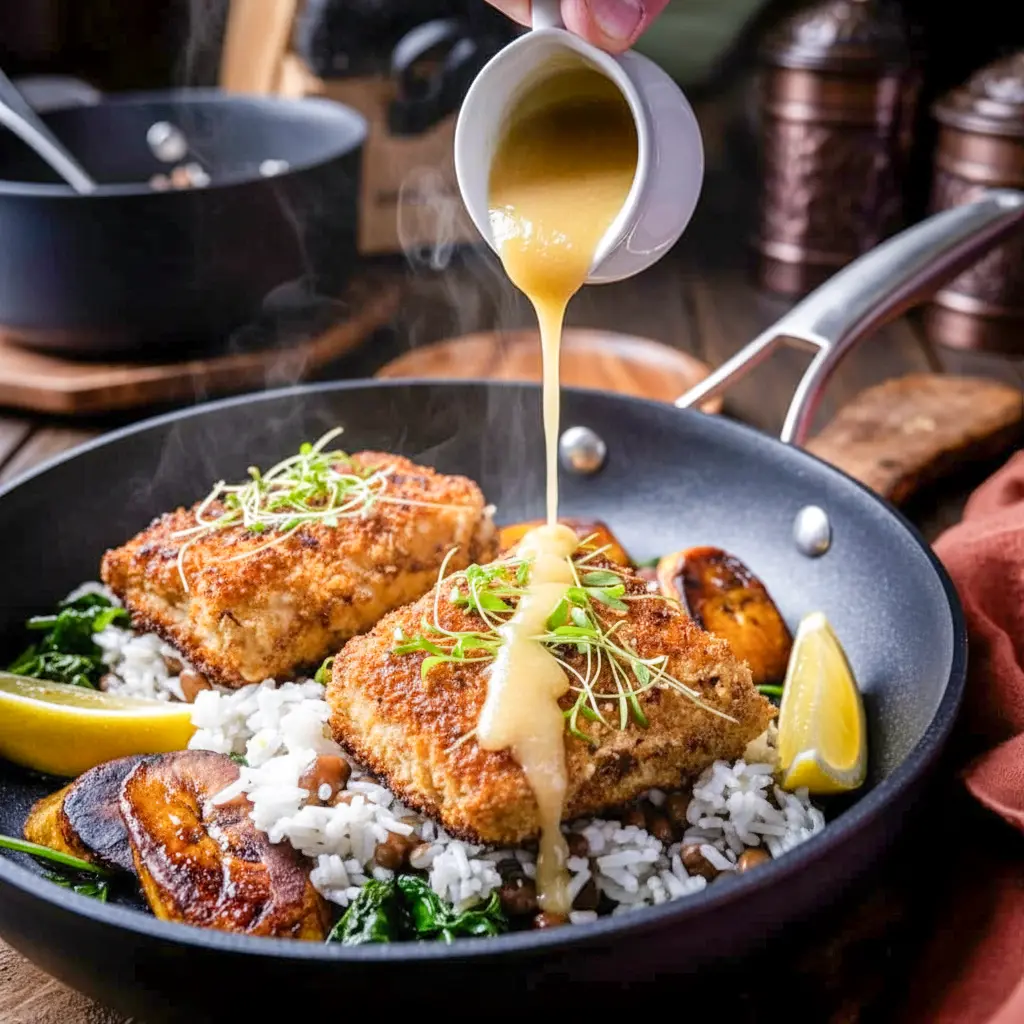
Plate the fish, drizzle the sauce tableside, and garnish with cilantro leaves or microgreens. Serve immediately.
Pro tips for perfect results
- Dry the fillets thoroughly. Moisture prevents a crispy crust.
- Toast your coconut. Toasting enhances flavor and prevents sogginess.
- Don’t crowd the pan. Overcrowding drops the pan temperature and ruins the sear.
- Add butter slowly to the sauce and keep heat low — temps above 135°F can cause it to break.
- Use an oven-safe skillet. Sear on the stovetop, then finish in the oven for even cooking.
- Test doneness by flaking. The fish should flake easily with two forks.
Bold tip: If you’re unsure about searing time, a quick internal temp target of 135–140°F will keep the fish juicy without overcooking.
Why cookware matters (and a quick equipment note)
A good nonstick, oven-safe pan helps the coconut crust slide off—onto the fish, not the skillet. We like using reliable nonstick cookware that tolerates metal tools and high oven heat. If you’re in the market for new pans, consider brands known for durability and oven safety. (FYI: a sturdy pan saves you cleanup grief and helps you get that perfect crust.)
Variations to try
- Spicy glaze: Add a tablespoon of sriracha or a chipotle puree to the sauce for a smoky kick.
- Nutty twist: Mix finely chopped macadamia nuts into the coconut for extra crunch.
- Citrus finish: Add a squeeze of lime or a splash of orange juice to the sauce for zesty brightness.
- Herb crust: Stir chopped cilantro and parsley into the coconut-panko for a fresher herbaceous note.
- Beer swap: Use a lighter lager for a cleaner finish, or a wheat beer for more citrusy highlights.
Don’t be afraid to experiment — this recipe forgives small changes and often rewards them.
Best ways to serve this (Caribbean-style favorites)
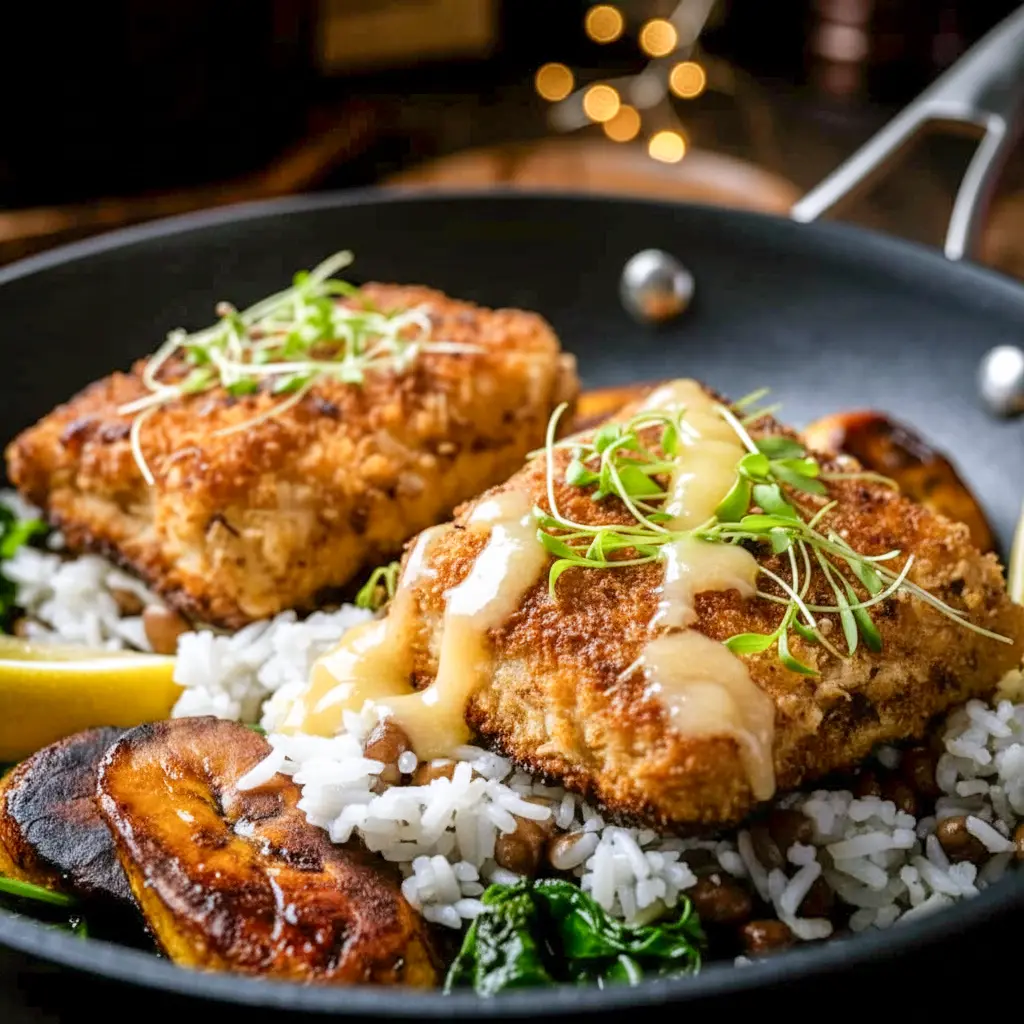
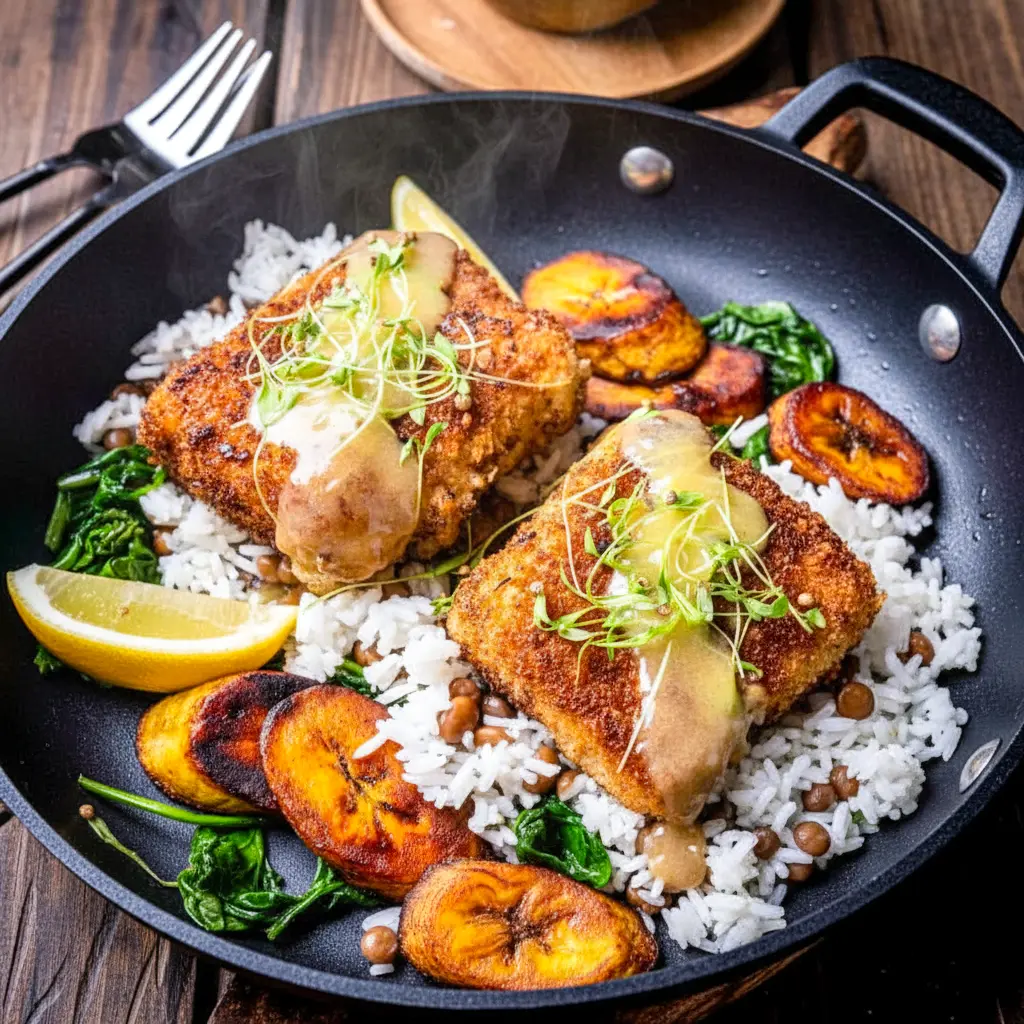
- Pigeon peas & rice — A traditional pairing that soaks up the sauce beautifully.
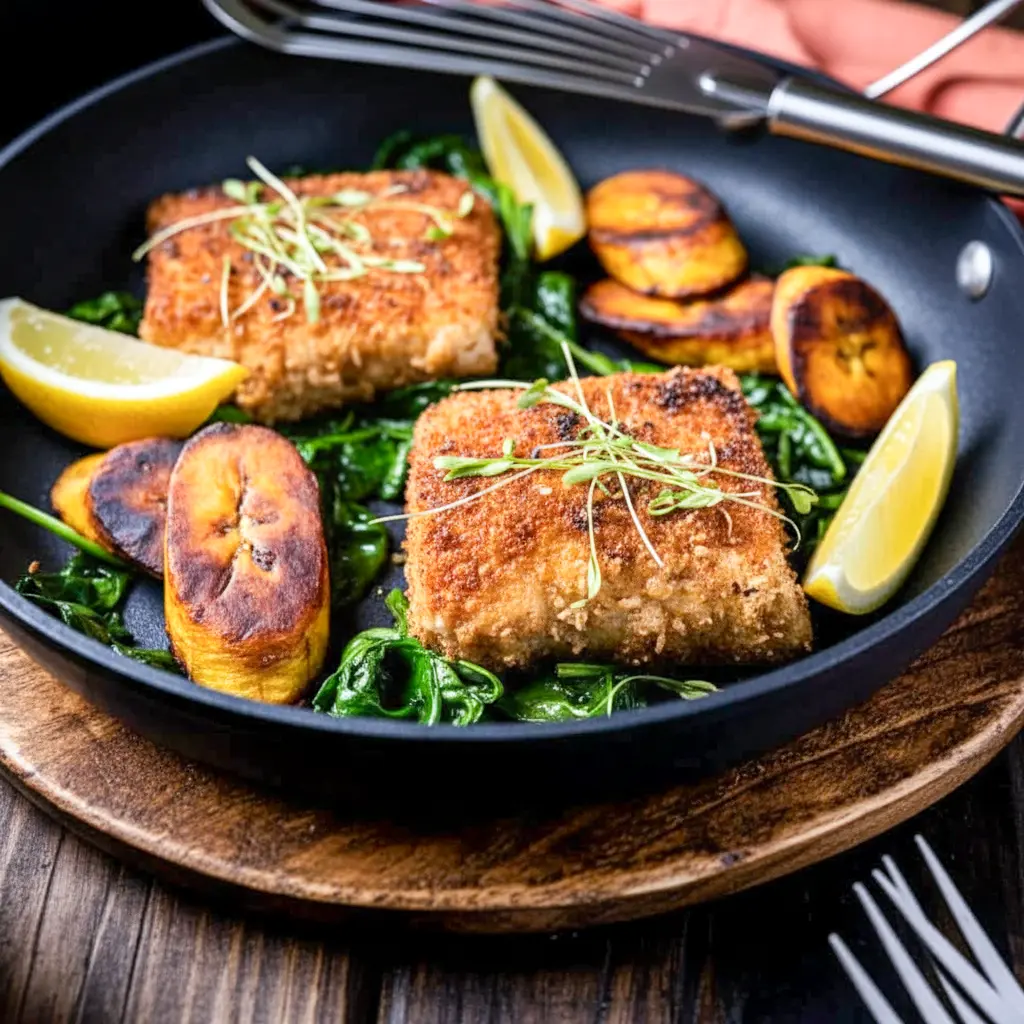
- Fried plantains — Sweet, caramelized, and texturally perfect alongside the fish.
- Simple green salad — A crisp counterpoint to the buttery sauce.
- Coconut rice — If you love coconut, double down for a truly tropical plate.
This makes a standout Caribbean Fish Dinner when you add those sides. Serve family-style or plate individually for a fancier presentation.
Quick tips for storage and leftovers
- Cooked fish: Store in an airtight container in the fridge for up to 2 days. Reheat gently in a 300°F oven to avoid drying.
- Sauce: Refrigerate separately for up to 3 days. Rewarm over very low heat, whisking to re-emulsify.
- Coconut crust: It loses crunch when refrigerated on the fish — store any extra crust in a separate airtight container at room temp.
IMO, this dish tastes best fresh, but leftovers still make a terrific fish taco filling.
FAQs
Can I use frozen mahi-mahi?
Yes. Frozen mahi-mahi thaws well. If you can’t find fresh, frozen is a smart, reliable option. Pat it dry thoroughly after thawing.
What’s the best sauce for mahi mahi?
A bright beurre-blanc-style sauce like this Pineapple Beer Butter is ideal — it complements the fish without overpowering it. Other winners include mango salsa, lemon-caper butter, or a light chimichurri.
Can I make the sauce dairy-free?
You can, but the texture and flavor change. Substitute with a coconut cream reduction for a dairy-free tropical sauce.
How do I stop the sauce from breaking?
Add butter slowly and keep heat low. If the sauce looks oily, stop adding butter and whisk vigorously over a gentle heat; a splash of warm reduced liquid can help bring it back.
Is mahi-mahi sustainable?
That depends on sourcing. Ask your fishmonger about origin and fishing method, or look for trusted sustainability labels when available.
A note on flavor balance
This recipe walks a tightrope between sweet and savory. The coconut and pineapple add gentle sweetness; the beer brings depth and a touch of bitterness; the butter adds silk. Keep seasonings light and taste as you go. The fish should remain the star.
Final thoughts — why this is one of the Best Mahi Mahi dinner ideas
If you want to impress without overcomplicating dinner, this Coconut-Crusted Mahi-Mahi wins on texture, aroma, and visual appeal. It’s an elevated weeknight option and a showstopping weekend dinner. Pair it with rice and plantains for a full Caribbean Fish Dinner, or serve with a crisp salad for a lighter plate. For anyone building a repertoire of Mahi Fillet Recipes, this one belongs near the top.
Try it, tweak it, and claim it as your go-to. Your guests will ask for seconds — and maybe the recipe. That’s the sign of a keeper.
Follow me on Pinterest for daily new recipes.

Coconut-Crusted Mahi Mahi with Pineapple Beer Butter Sauce
- Prep Time: 20 minutes
- Cook Time: 15 minutes
- Total Time: 35 minutes
- Yield: 4 servings 1x
- Category: Dinner
Description
Crispy coconut-coated mahi-mahi finished with a bright, silky pineapple–beer butter sauce — tropical flavors that feel fancy but come together fast. Perfect for weeknight dinners or a laid-back island-style feast.
Ingredients
Ingredients — Fish
- 4 mahi-mahi fillets (about 6 oz each), skin removed
- 3 tsp kosher salt
- 2 tsp white pepper
- 2 tsp ground coriander
- 2/3 cup all-purpose flour
- 2 large eggs + 2 tbsp cold water (for egg wash)
- 2/3 cup toasted unsweetened shredded coconut
- 1/3 cup panko breadcrumbs
- 3 tbsp unsalted butter (for searing)
Ingredients — Pineapple Beer Butter Sauce
- 4 fl oz Mexican lager (or light beer)
- 4 fl oz pineapple juice
- 1 tsp kosher salt (adjust to taste)
- 8 tbsp COLD unsalted butter, cut into tablespoons
Garnish
- Fresh cilantro leaves or cilantro microgreens
Instructions
Method — Build the fish
-
Pat the fillets dry with paper towels. Season both sides with kosher salt, white pepper, and coriander. Arrange them on a wire rack set over a sheet pan and chill in the fridge for 15–30 minutes to help the coating stick.
-
Heat the oven to 425°F (220°C).
-
Set up three shallow dishes: flour in the first, beaten eggs + cold water in the second, and the coconut mixed with panko in the third.
-
Dredge each fillet in flour, then dip in the egg wash, then press into the coconut-panko mixture so the crust adheres. Press firmly but gently to compact the coating.
Method — Cook the fish
-
Warm an oven-safe nonstick or sauté pan over medium-high heat and melt the butter.
-
Add the fillets and sear 2–2½ minutes per side until the crust develops a golden color — don’t let it burn.
-
Transfer the skillet to the preheated oven and roast about 10 minutes, or until the fish flakes easily when checked with two forks. Tip: internal doneness around 135–140°F keeps the fish moist.
Method — Make the sauce
-
In a small saucepan, combine the beer and pineapple juice. Simmer gently over medium heat until reduced to roughly 2 tablespoons of liquid.
-
Remove from heat. Whisk in the cold butter, one tablespoon at a time, until the sauce becomes glossy and smooth. If it cools too much to melt the butter, return briefly to very low heat — do not boil.
-
Season with salt and taste; adjust if needed.
Notes
- To serve
- Place a coconut-crusted fillet on each plate, spoon a little pineapple-beer butter over the top (or pour at the table), and garnish with cilantro. Serve with rice, fried plantains, or a crisp salad.
- Short storage & reheating notes
- Sauce: Refrigerate up to 3 days; rewarm gently and whisk to re-emulsify.
- Cooked fish: Keeps 1–2 days in the fridge; reheat slowly in a 300°F oven to avoid drying.
- Extra crust: Store separately at room temperature to preserve crunch.
- Pro tip: Toast the shredded coconut briefly before mixing with panko for deeper flavor and less sogginess.
Nutrition
- Calories: 650kcal
- Sugar: 4g
- Sodium: 2530mg
- Fat: 44g
- Carbohydrates: 29g
- Fiber: 4g
- Protein: 34g
- Cholesterol: 268mg